
Maker: Connecting Hands-on Creativity, Education and the World
Maker:從動手創作到教育與世界的連結①
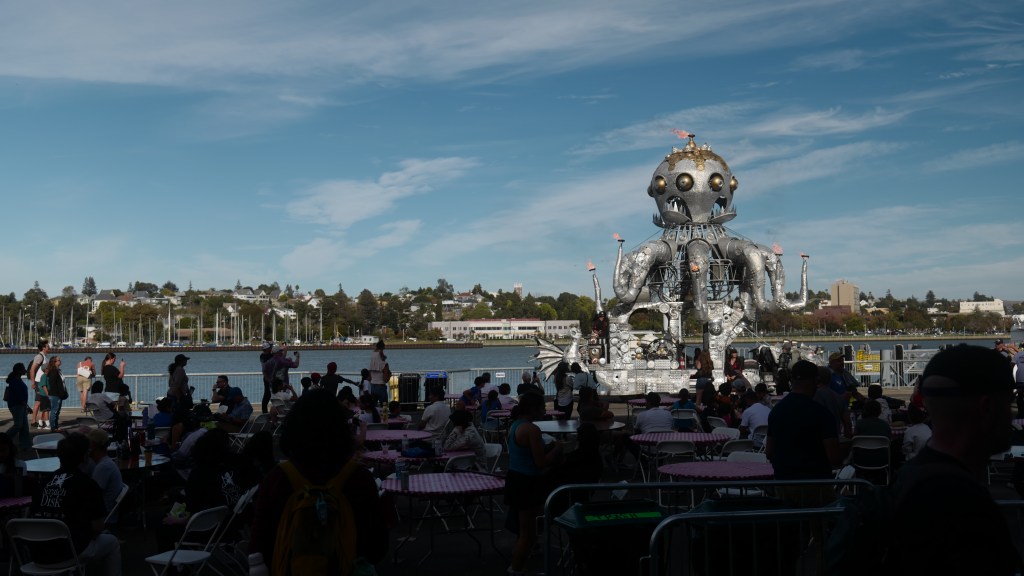
這幾年持續帶著作品參加 Maker Faire,也想花一點時間,介紹這個讓我願意一次又一次投入的展覽。對我而言,參展的過程裡,有作品的準備、有交流,也有很多重新思考教育的時候。為什麼我們希望孩子動手做?做完之後,他們又能帶走什麼?這些問題,其實一直跟著我。
Over the past few years, I have continued taking our work to Maker Faire. I would like to share a little about the event that keeps drawing me back. Preparing and exhibiting our projects has given me plenty to think about as an educator in Taiwan. Why do I want children to make things? What stays with them afterwards? These questions have accompanied me throughout the experience.
要認識 Maker Faire,可以先從一本雜誌說起。2005 年,Dale Dougherty 創辦《Make:》,分享各種製作、改造與實驗的想法。到了 2006 年,他與 Sherry Huss 共同創辦 Maker Faire,讓創作者有機會把作品帶到現場,與人見面、交流。從雜誌到展覽,原本透過文字與圖片分享的製作經驗,有了當面討論的機會。[1][2]
The story begins with a magazine. Dale Dougherty founded Make: in 2005, sharing projects and ideas for building, adapting and experimenting. In 2006, he and Sherry Huss co-created Maker Faire, giving makers a place to bring their work and meet others in person. The conversations that began on the page could now continue face to face.[1][2]
當然,在這之前,世界各地就有很多會製作、修理與創作的人,臺灣也有豐富的工藝與實作經驗。我敬佩的是,這樣的雜誌與展覽,把人們的好奇心和製作經驗放到一個可以被看見、被討論的地方。喜歡機械的人、研究電子的人、做工藝與藝術的人,可以帶著各自的作品相遇。Maker Faire 所介紹的範圍,也一直涵蓋科學、工程、藝術、表演與工藝。[2]
People were making, repairing and inventing things long before either the magazine or the faire existed. Taiwan has rich traditions of craftsmanship and practical ingenuity of its own. What I admire is the way these platforms make curiosity and practical knowledge visible and open to discussion. People working with mechanics, electronics, craft and art can meet through their projects. That breadth is reflected in Maker Faire’s inclusion of science, engineering, art, performance and craft.[2]
Making Room to Begin|讓孩子有機會開始
從臺灣的教育現場看過去,我特別在意的是:孩子能不能在還沒有完全懂的時候,就有機會開始?當課程需要在有限時間內完成,又有明確的答案與評量,我們很容易先把原理、步驟和結果都整理好,再交給學生。我能理解這樣的安排,但也希望替孩子多留一些自己嘗試、作決定與修改的時間。
Looking at this from my teaching context in Taiwan, one question matters especially to me: can children begin before they understand everything? When lessons have limited time, prescribed outcomes and assessments to meet, it is understandable that we prepare the explanation, the steps and the expected result in advance. Still, I want to leave children more time to try something, make decisions and revise what they have done.
我所重視的 Maker 精神,就在這些過程裡。有一個想法,可以先找材料試試看;遇到不懂的地方,可以問人、查資料,也可以換個方法。作品還不理想,也能拿出來討論。對孩子來說,我希望這些經驗能慢慢累積成一種信心:我可以開始,我有能力改變眼前的東西,也能和別人一起把事情做好。
These are the aspects of maker culture I value: trying an idea with the materials available, asking for help, looking things up, changing direction and sharing work that still needs improvement. I hope such experiences help children develop confidence in their ability to act—to begin, to change something in front of them and to work with others towards a result they care about.
Play, Notice, Ask|先玩,先發現,再問為什麼
其實,這也是我過去設計課程時一直在想的事情。2021 年寫〈水龍捲〉時,我就把過程安排成:先發現現象,再探索原理,接著延伸創作。大人可以先準備一個裝置,讓孩子拿起來玩。看見水在瓶子裡旋轉,再試試不同的動作,看看會發生什麼變化。[3]
This is an approach I have been exploring in my own teaching for some time. In my 2021 post about a tornado in a bottle, I described a sequence of noticing a phenomenon, investigating how it works and developing it into a creative project. An adult could prepare the device first so that children could handle it, watch the water swirl and try different movements.[3]
課程裡,我會問水怎麼流得比較快、漩渦怎麼維持得比較久,也會問:「你覺得它像什麼?」有孩子說像馬桶。這個聯想很生活,也很好。孩子把眼前的現象和自己熟悉的經驗接了起來。接下來,這個漩渦還可以變成什麼?一個故事、一隻怪獸,或是他想像中的另一個世界,都有繼續發展的可能。[3]
I asked how they might make the water drain faster or keep the vortex going longer. I also asked what it reminded them of. Some children said a toilet. A perfectly reasonable connection! They were relating what they could see to something they already knew. From there, the swirling water could become part of a story, a creature or an imagined world of their own.[3]
我希望孩子先有一個自己在意的經驗。當他想知道為什麼會這樣,原理的說明就有了可以對照的東西;當他想讓作品出現不同的變化,也有理由繼續學下去。老師在這裡仍然很重要,要協助孩子觀察、比較,把剛才做過的事情和概念連起來,再提供下一次嘗試需要的支持。
I want children to have an experience they care about. When they begin wondering why something happens, an explanation has something concrete to connect with. When they want a different result, they have a reason to keep learning. The teacher remains important throughout: helping children notice and compare, connect their experience with a concept, and find a way into the next attempt.
這樣的安排也需要看孩子的年齡與準備程度。Sinha 與 Kapur 的研究統整發現,先解題、再教學,整體上對概念理解與遷移有優勢;但二至五年級的子群結果較偏向先教學。這提醒我,動手探索需要合適的引導,不能期待孩子只要玩過,就自然理解所有原理。[4]
The balance also depends on children’s age and prior knowledge. Sinha and Kapur’s meta-analysis found an overall advantage for problem solving before instruction in conceptual understanding and transfer, while results for learners in Grades 2–5 favoured instruction first. For me, this reinforces the importance of well-supported exploration. Playing with something does not, by itself, ensure understanding.[4]
Keeping Learning Connected|讓學習有機會連起來
我也很在意,孩子學到的東西能不能彼此連結。分科學習讓我們有機會深入理解一個概念,但回到生活,一件事情往往同時牽涉很多知識。像故事燈裡,孩子想表達家人的記憶,就會碰到圖像、光影、材料與轉動的問題。哪裡看不清楚、哪裡轉不順,都可能成為下一個需要探索的地方。
I also care about whether children can connect what they learn. Studying subjects separately gives us opportunities to understand particular ideas in depth. In everyday life, however, several kinds of knowledge often come together. With our Story Lamps, expressing a family memory involves images, light, materials and movement. An unclear projection or a mechanism that catches can open up another line of enquiry.
我擔心的是,孩子記得一個個名詞,卻很少有機會把它們放在一起使用。因此,課程裡需要留時間回頭想:剛才為什麼成功?換一種材料還可以嗎?這個方法能用在其他地方嗎?我期待留下來的,是孩子能說明自己的發現,也願意把這次的經驗帶進下一次創作。
My concern is that children may remember individual terms without having many opportunities to use them together. I want lessons to leave time for questions such as: Why did that work? Would another material behave differently? Where else could we use this idea? What I hope children take away is the ability to explain a discovery and draw on it in their next project.
MIT 的 Mitchel Resnick 用「想像、創作、玩、分享、反思,再回到想像」來描述創意學習的循環。[5] 這讓我想到,課程也需要容得下再做一次的時間。孩子在嘗試裡有了感受,在討論裡整理發現,之後才能帶著新的理解去改變作品。我希望替創造力留下的,就是這樣持續發展的機會。
MIT’s Mitchel Resnick describes a creative learning spiral of imagining, creating, playing, sharing and reflecting, leading back to new ideas.[5] It reminds me that a lesson needs room for another attempt. Children gain an experience, make sense of it through discussion and return to their work with a different understanding. That continuing process is what I want to make room for in creative learning.
Why We Keep Taking Part|我們為什麼持續參與
帶著故事燈參展,也是這個想法的延伸。我們把來自臺灣的家庭記憶、地方故事和孩子的創作帶出去,同時也希望接觸不同的做法與想法。當作品需要向不同語言、不同生活背景的人說明,我們就需要重新想清楚:這件作品怎麼做?為什麼要做?哪些事情,是我們真正希望對方理解的?
Taking our Story Lamps to Maker Faire extends this approach beyond the classroom. We bring family memories, local stories and children’s work from Taiwan, while looking for opportunities to learn from other ways of making and thinking. Explaining a project across languages and cultural backgrounds asks us to be clear about how it works, why we made it and what we most want someone else to understand.
《Make:》在 2025 年迎來創刊二十年,Maker Faire 則在 2026 年走到創辦二十年。[1][2] 從臺灣看向這段歷史,我很敬佩其中願意嘗試、分享,也讓更多人參與的精神。這也是我希望帶回教育現場的部分:讓孩子接觸材料、感受生活,從自己的好奇開始,有人陪著他探索,也有機會把自己的發現分享出去。
Make: marked its twentieth anniversary in 2025, and Maker Faire reaches that milestone in 2026.[1][2] Looking at this history from Taiwan, I admire the willingness to experiment, share knowledge and welcome more people into the process. Those are qualities I want to bring into my teaching: giving children materials to explore, experiences to draw on, support for their curiosity and opportunities to share what they discover.
Sources and Further Reading|資料來源與延伸閱讀
- Make: Community — Who created Maker Faire?
Maker Faire 創辦年份與共同創辦人資料。
Founding year and co-founders of Maker Faire. - Make: Community — Why did Maker Faire start? And, what is the Maker Movement?
《Make:》創刊背景、Maker Faire 的起源與創作範圍。
Background on Make:, the origins of Maker Faire and its range of creative practices. - 陳雨禾,2021 — Water Spout in a Bottle|水龍捲
本文提及的課程安排、引導提問與孩子聯想,取自我原有的教學紀錄。
My teaching account, including the activity sequence, questions and children’s associations. - Sinha, T., & Kapur, M. (2021). When Problem Solving Followed by Instruction Works: Evidence for Productive Failure. Review of Educational Research, 91(5), 761–798.
統整 53 項研究;本文用於討論探索與教學的順序及其限制,並非直接驗證 Maker Faire 或自由遊玩的效果。
A meta-analysis of 53 studies, cited here for instructional sequencing and its limitations, rather than as direct evidence about Maker Faire or free play. - Resnick, M. (2007). All I Really Need to Know (About Creative Thinking) I Learned (By Studying How Children Learn) in Kindergarten.
創意學習循環,以及製作、分享、反思與持續修改的教育觀點。
The creative learning spiral and the role of making, sharing, reflection and iteration.

