
Building a Boat, Discovering Fifty Years of a River’s History
11月11日,帶孩子們去划舟。後來看著這個日期,覺得四個「1」排在一起,還真有一點划舟的樣子。
On November 11, I took the children out paddling. Looking at the date afterward—11/11—I thought those four ones looked a little like four paddlers sitting in a boat.
像一艘船上,四個人一起划槳。節奏對了,船自然能夠往前;如果每個人都很努力,卻各自朝著不同的方向,四個「1」歪成了 M,或是 W,船可能就只能在水面上轉圈圈。
When all four find a rhythm together, the boat moves forward. But if everyone is paddling hard in a different direction, those straight lines might lean into an M or a W, and the boat could end up going in circles.
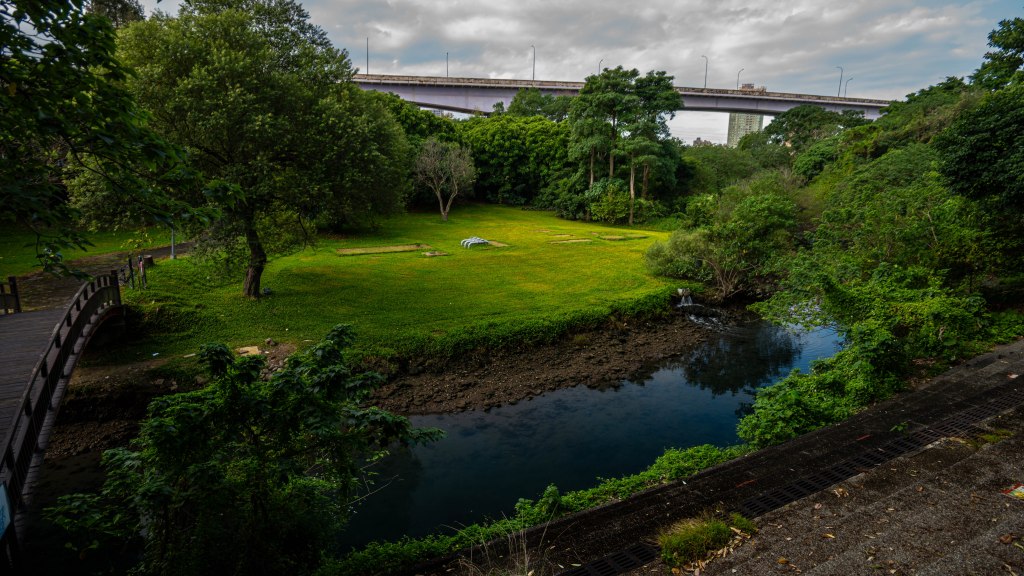
這個聯想有一點好笑,不過也讓我想到,很多學習其實也是如此。每一個環節都有它的意義,但當這些環節能夠彼此連接,我們才知道,自己正在往哪裡走。
It is a slightly silly image, but it made me think about learning. Each part of a course has its purpose. When the parts begin to connect, we get a clearer sense of where we are going.
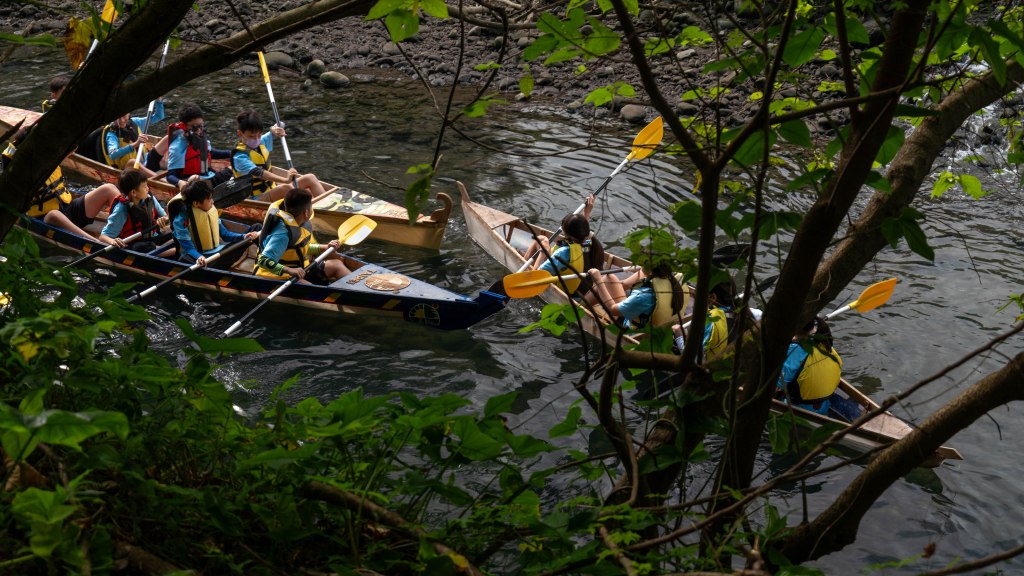
對我來說,划舟就是這樣的一門課。如果只看孩子下水划船的照片,很容易把它理解成一次戶外體驗。但在我們的課程裡,划舟一直是一段學習與探索的歷程。下水的那一天,是前面的學習有了實際用途,也是後面的探索得以展開的時刻。
That is how I think about paddling in our curriculum. From the photographs alone, it could easily look like a day of outdoor activities. For us, though, it belongs to a much longer process of learning and exploration. The day we take the boat onto the water is when earlier lessons find a practical use, and new questions begin to open up.
這門課從木工開始。孩子學習使用工具,認識材料,慢慢有能力把自己的想法做出來。接著,我們就會遇到一個很自然的問題:學會這些技能以後,可以做什麼呢?
We begin with woodworking. The children learn to use tools, get to know the materials, and gradually develop the skills to make things they have imagined. Then a fairly natural question comes up: now that we know how to do this, what could we make?
那我們來造一艘船吧。一艘真的能夠載著自己,去探索社區的船。
Let’s build a boat. One we can actually get into and paddle as we explore our neighborhood.
當學習有了這個方向,木工的意義也開始改變。孩子做出的東西,將會承載自己的身體,讓自己移動,帶自己去接近原本只能站在岸邊觀看的環境。技能於是有了用途,也有了與生活發生關係的機會。
Having that purpose changes what woodworking means. What the children build will have to carry their weight and take them across the water. It will bring them into surroundings they could previously only look at from the bank. Their skills now have a use they can understand and a place in their own lives.
不過,為什麼是船?又為什麼要去認識這條河?
But why a boat? And why get to know this particular river?
因為我們生活的這個地方,有一條大部分已經看不到的河。它藏在公園底下,地面上的生活繼續進行,人們走路、遊玩、經過,卻不一定會想到,腳下還有一條河流經過的路徑。
Because much of the river in our neighborhood is now hidden beneath a park. Above it, daily life carries on. People walk, play, and pass through, often without thinking about the watercourse beneath their feet.
當河流離開視線,我們與它的關係,也很容易跟著變淡。可是,在家人的記憶裡,這條河有完全不同的模樣。
When a river disappears from view, our connection to it can fade too. Yet in the memories of the children’s families, it looks very different.
在祖父母那一輩的故事中,它可能是放學後可以直接「噗通」跳下去的地方。水裡有魚,河邊有玩伴,河流就在日常生活裡。到了父母那一輩,河岸有了堤防,沿岸的樣貌改變,人與河水之間,也逐漸多了一些距離。再到孩子們這一代,眼前已經是另一個城市景象。
For some in their grandparents’ generation, it was a place to jump into after school with a splash. There were fish to catch and friends to play with. The river was simply part of everyday life. By their parents’ generation, embankments had changed the riverside, creating more distance between people and the water. The children growing up here today know a different landscape again.
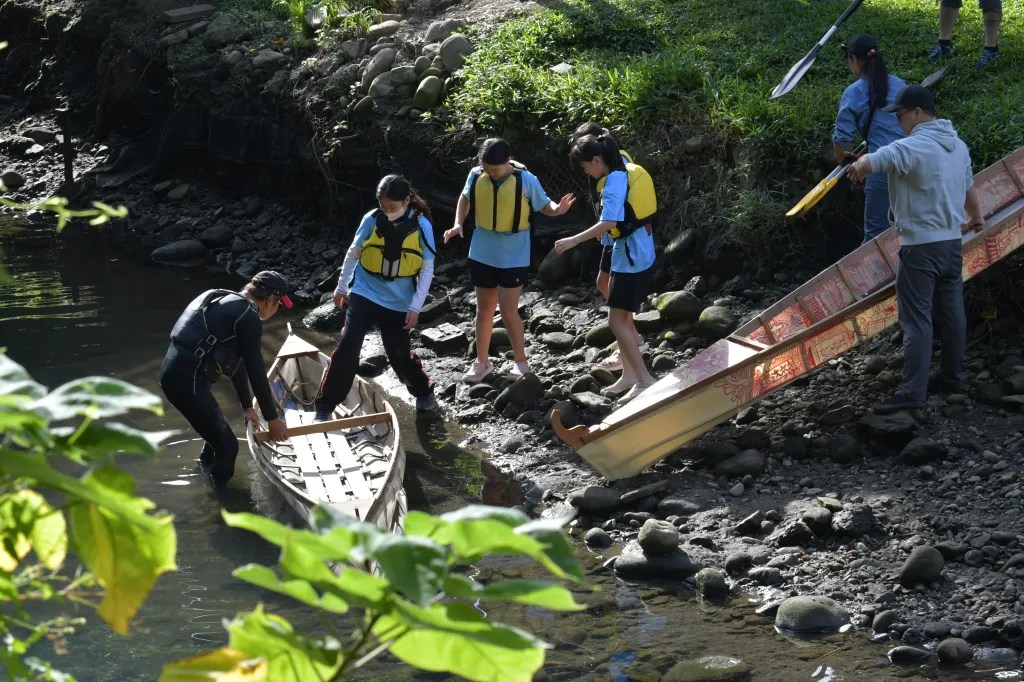
我覺得這裡面很有意思的是:不同世代都曾經接近同一條河,但每一雙手碰到河水時,感受到的溫度,以及抬起頭來看見的景象,都不相同。
I keep coming back to this thought: different generations have reached into the same river, yet the water has felt different in each person’s hands, and each has looked up to see a different view.
這裡說的溫度,也包含了當時的生活。河水對一個人而言,可能連著童年的自由;對另一個人而言,可能連著城市施工、河岸改變的印象。而對今天的孩子來說,它又會成為什麼?
That feeling carries something of the life each person was living at the time. For one, the water might bring back the freedom of childhood. For another, it might recall construction work and a changing riverbank. What will it come to mean for the children who are here now?
這就是我想透過課程,和孩子一起探索的事情。
That is what I want to explore with them through this course.
五十年對一座城市來說,可以發生很大的改變。河岸、道路、住宅與公園,逐漸形成了我們今天熟悉的地貌。但對孩子來說,「五十年」仍然是一個不容易掌握的時間尺度。如果把這個時間放回家族裡,距離就近了。
A city can change enormously in fifty years. Riverbanks, roads, homes, and parks gradually become the landscape we take for granted. For a child, though, fifty years can be difficult to grasp. Place those years within a family’s history, and they become easier to imagine.
祖父母小時候在哪裡玩?父母上學時看見的河是什麼樣子?自己每天經過的地方,以前又是什麼?
Where did your grandparents play when they were young? What did the river look like when your parents were at school? What used to be in the places you pass every day?
沿著這些問題,城市的近代史就有了可以理解的入口。孩子開始知道,今天眼前的一切,都是在時間裡慢慢形成的。自己熟悉的生活周邊,也曾經是家人完全不同的童年現場。
These questions give children a way into the city’s recent history. They begin to see that the places around them took shape over time. The neighborhood they know so well once held the very different childhoods of people in their own families.
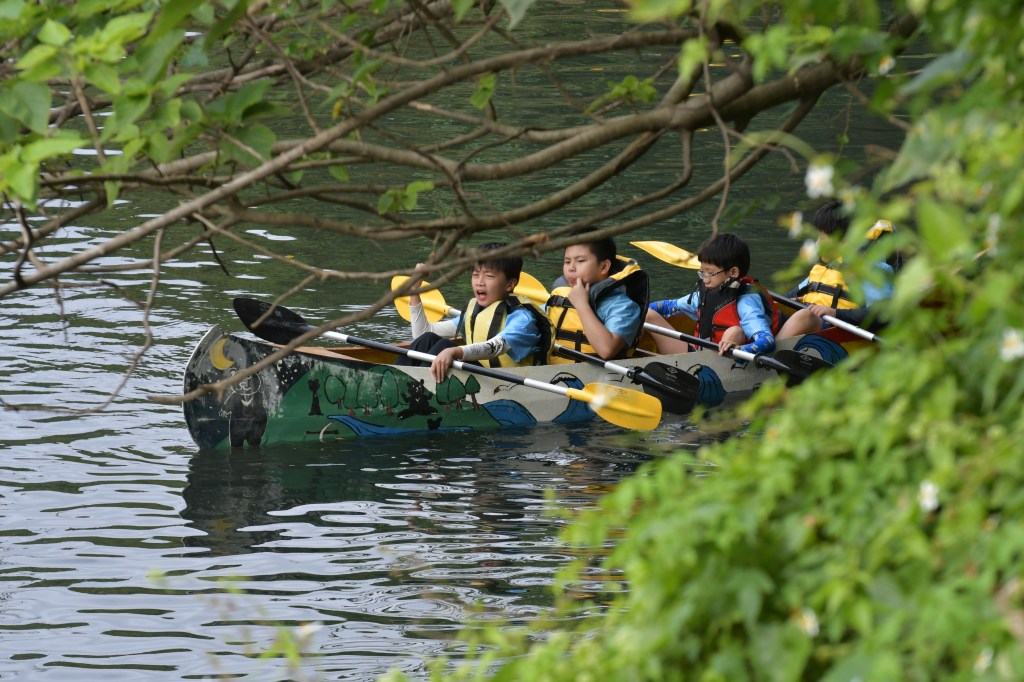
這也是家族敘事課程延伸出來的一條重要軸線。我們從家人的生命經驗出發,把故事放回它發生的地方。於是,一個人的回憶,能夠帶我們看見一段河岸的變化;幾個世代的故事放在一起,又能讓我們理解一個地區如何走到今天。
This has become an important direction in our work with family stories. We begin with what family members have lived through, then return their stories to the places where they happened. One person’s memories can help us trace changes along a stretch of riverbank. Accounts from several generations can help us understand how a neighborhood became the place it is today.
當然,家人的記憶有各自的角度。一段故事並不能說明整座城市的歷史,但它能夠讓孩子開始關心,願意再問下去,也願意去看看不同的資料與現場。對學習而言,這份想要理解的心,是很重要的起點。
Each family member remembers things from their own perspective, of course. A single story cannot account for the history of an entire city. It can, however, give a child a reason to care, to ask another question, to look at other sources, or to visit a place and see for themselves. That desire to understand is a valuable place for learning to begin.
我也希望孩子慢慢看見,城市的改變,除了讓生活更便利,也會改變人與環境相處的方式。
I also hope the children gradually come to see that changes to a city do more than make daily life more convenient. They affect how we live with our surroundings.
一條河有了堤防、逐漸被覆蓋之後,人們如何接近水?又有哪些原本很自然的生活經驗,慢慢不再發生?這些問題,不一定要急著得到一個簡單的答案。能夠意識到眼前的地景有它的來歷,就已經開始讀懂城市的紋理了。
Once a river has been embanked and much of it covered over, how do people reach the water? Which ordinary parts of life gradually stop happening? We do not have to rush toward a simple answer. Recognizing that a familiar landscape has a history is already a way of learning to read the city.
而親手造船,讓這樣的理解多了一個身體參與的入口。
Building a boat gives the children a physical way into that understanding.
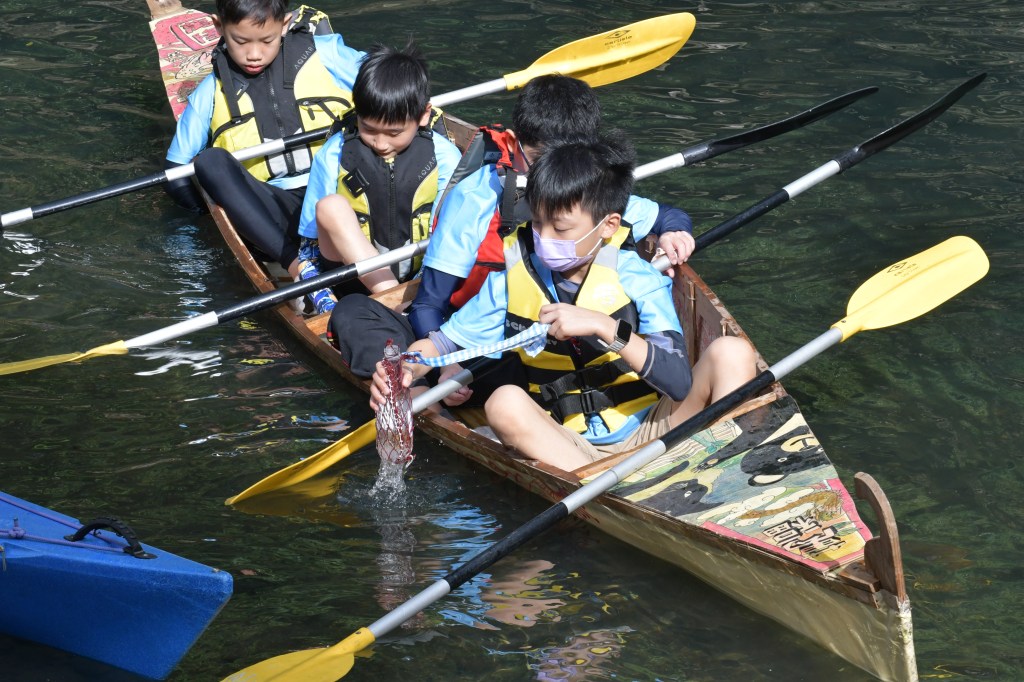
孩子帶著自己做出的工具進入環境,學習就有了很具體的連結。手上的木工技能、家人說過的故事、眼前的河岸,以及划槳時需要留意的方向與節奏,開始出現在同一段歷程裡。
When they enter that environment using something they have made themselves, the connections become tangible. Their woodworking skills, the stories their families have told, the riverbank in front of them, and the direction and rhythm of their paddling all become part of the same learning experience.
所以,划舟之前的操作練習與安全學習,都是必要的準備。孩子要先學會如何划槳、如何合作,才有能力在水面上進行後續的探索。划得動一艘船,與能夠透過這艘船學習,是相互連接的兩件事。
That is why paddling practice and safety instruction matter. The children first need to learn how to handle a paddle and work together so they can explore on the water. Learning to move the boat and learning through the boat are closely connected.
如果課程只停在「今天划得很開心」,我會覺得有一點可惜。那份開心很珍貴,而我們還能沿著它,再往前走一些。
If all we took away from the day were “paddling was fun,” I would feel we had left something unfinished. The enjoyment matters. It also gives us a reason to keep going.
去理解自己生活的地方,去聽見家人的成長經驗,也去想像:未來,我們希望與這條河、與這座城市,保持什麼樣的關係?
We can get to know the place where we live, listen to what growing up was like for our families, and begin to ask what kind of relationship we want to have with this river and this city in the years ahead.
回頭再看11月11日的四個「1」,我想,一艘船能夠前進,需要大家慢慢找到共同的節奏;一門課能夠走得深,也需要讓技能、生活、記憶與環境彼此連接。
Thinking again about those four ones in 11/11, I suppose a boat moves forward as its paddlers learn to find a rhythm together. A course gains depth in much the same way, as practical skills, everyday life, memories, and the places around us begin to connect.
孩子親手造了一艘船,也為自己造出了一個繼續學習的工具。而這艘船所承載的,除了今天坐在船上的孩子,還有這個地方五十年來,幾個世代留下的生活記憶。
The children have built a boat with their own hands, giving themselves a way to keep learning. Along with the children sitting in it today, that boat carries something of the past fifty years: memories of lives lived here, across several generations.

