
The Northern Thailand Story Lamp Project: Lighting Up Memories with Warmth
Introduction|
點亮泰北記憶的故事燈:親子文化傳承的新篇章
在泰北的山巒間,一場小小綿長深遠的燈光展示正悄悄在一群歷經烽火洗禮的家族心中點起,為這片土地上的孩子與家庭帶來一股溫暖的力量。
這專案背後,是秋華老師—一位於臺灣萬福國小退休的老師
在泰北山巒之中,有個名為美斯樂的地方,像是被世界遺忘的角落。它靜靜存在於地圖邊緣,遠離資訊流的喧囂,也遠離時間的主幹道。在全球化的浪潮滾滾而下的當下,那裡的腳步依然緩慢,語言低聲細語,日子像山霧一樣飄忽卻真實。
而秋華老師,就像在現代荒原中行走的史懷哲。她願以一已之力,在塵封的教室裡點燃一種記憶的火光——用一筆一劃的華語文,讓文化的根重新與土地扣合。她的課堂,不僅讓孩子們認識文字,更讓他們在認識從哪裡來的同時,也更靠近了自己所屬的歷史與族群。
那不是一種救援的姿態,也不是對落後的補償,而是一場靜水流深的堅持。在世界的邊陲,選擇留下,是另一種面向光的方式。
Illuminating Memory: A Cultural Journey of Story Lamps in Northern Thailand
Lighting Up Northern Thai Memories: A New Chapter in Intergenerational Cultural Transmission
In the mountains of Northern Thailand, a quiet but far-reaching glow has begun to shine—kindled not by spectacle, but by the tender stories of families once marked by war and migration. For the children and families of this land, a humble light is now carrying the warmth of reconnection and remembrance.
At the heart of this project is Teacher Qiu Hua, a retired educator from Wanfu Elementary School in Taiwan.
In a place called Mae Salong, nestled in the remote ranges of Northern Thailand, time seems to move differently. It is a place that lingers at the edges of maps—beyond the noise of modern information, beyond the rushing current of global trends. Here, life moves slowly, words are spoken gently, and days drift by like mountain mist—elusive, but real.
Teacher Qiu Hua walks through this quiet with the resolve of a modern Schweitzer. Alone, she lights the flame of memory in dusty classrooms—stroke by stroke, through the teaching of Mandarin Chinese. But her lessons are more than language; they are a re-rooting of culture, a hand extended toward identity. In helping children understand where she comes from, she helps them draw closer to their own histories, their own ancestral echoes.
It is not an act of charity, nor a gesture of rescue—but a quiet, unwavering commitment. To stay in the margins of the world, and still choose to illuminate—that, too, is a way of facing the light.
1. 故事的開端:點亮文化與記憶的契機
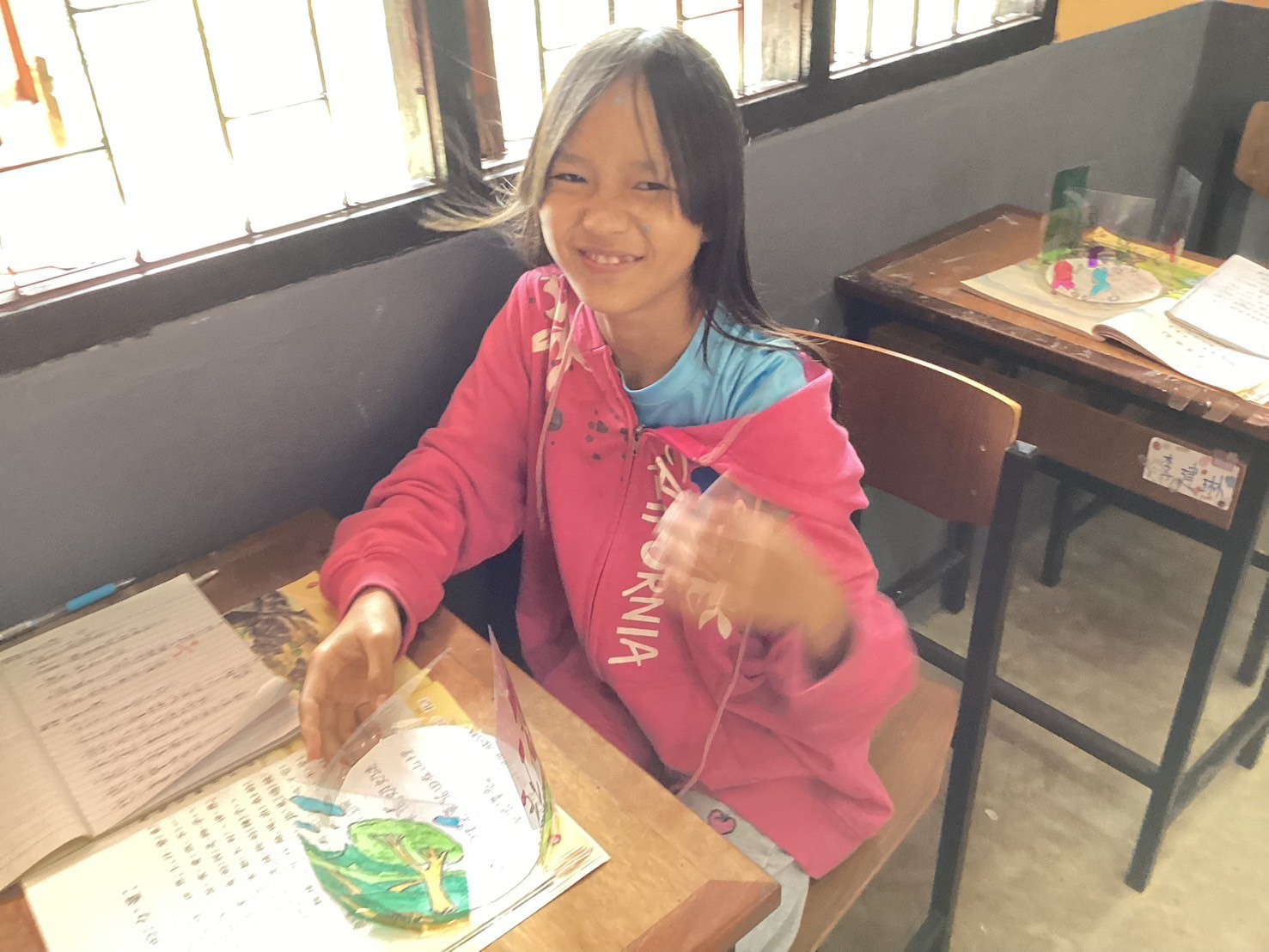
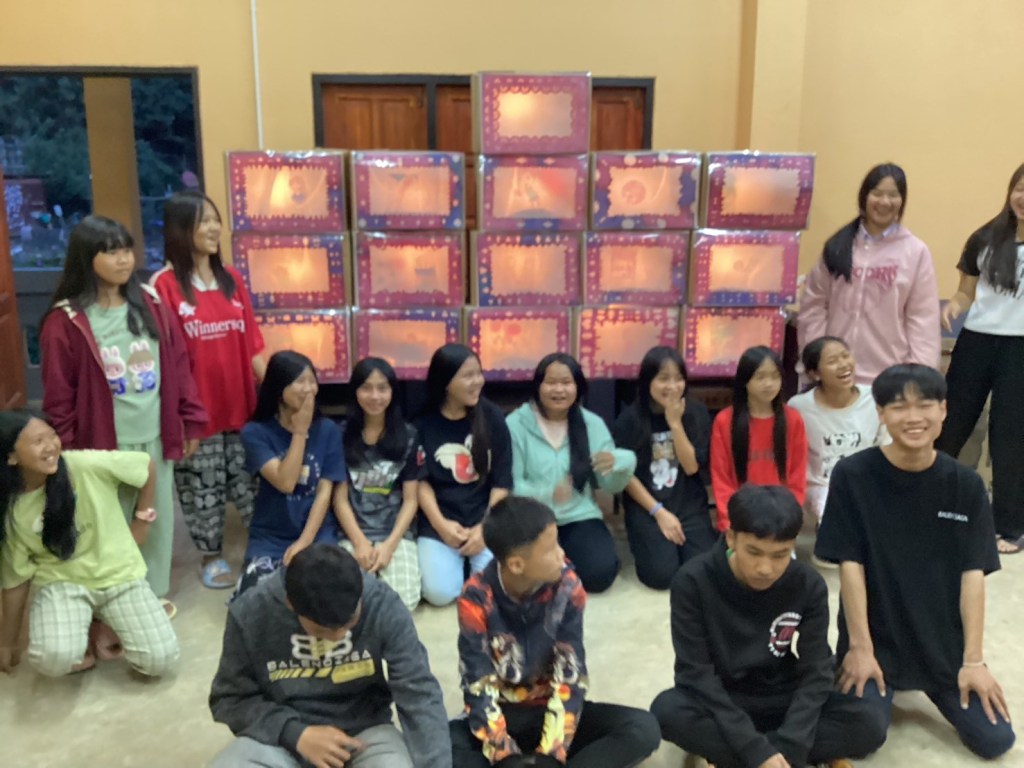
當來自台灣的故事燈靜靜地點亮在泰北山城的教室裡,孩子們的眼睛像初見星光般閃耀。他們從未見過這樣的創作方式——一盞燈,竟能承載一段記憶,一個家族的故事。他們看著台灣孩子的創作,不只聽見了那些爺爺奶奶的溫暖回憶,也在光與影的變幻中,看見了故事本身仿佛活了起來,在燈中緩緩呼吸、閃爍。
有個孩子輕聲說,他迫不及待想把自己爺爺奶奶的故事也放進去——那段關於從中國隨部隊遷徙到泰北邊境、一路含辛茹苦的生命軌跡。他想親手繪製出一張屬於自己家族的故事盤,放進那盞光裡,讓那些原本靜靜塵封的往事,也能重新發光,重新被世界看見。
從那一刻開始,文化不再只是書本上的詞語,而是變成了有聲、有光、有情的存在,悄悄地住進孩子的心裡,也悄悄地,讓他們知道:自己的故事,也值得被記得。
1. The Beginning: Lighting the Flame of Memory and Culture
When the story lamps from Taiwan were first lit in the quiet classrooms nestled in the mountains of Northern Thailand, the children looked on with eyes bright as stars at dawn. They had never encountered such a creation before—a single lamp, capable of holding within it an entire lineage, the echo of a family’s past. They saw in the glowing works of Taiwanese children not only the tender memories of grandparents but also stories that seemed to breathe, to live again, flickering gently through light and shadow.
One child, voice trembling with anticipation, whispered his wish—to place within his own lamp the tale of his grandparents, who had journeyed with soldiers from China to the northern edge of Thailand, bearing hardship with silent strength. He longed to draw that memory, shape it into a story disc, and watch it glow once more in the quiet chamber of a hand-built light.
From that moment, culture was no longer a word in a book. It became luminous, vocal, full of heart. It crept gently into the children’s spirits and told them softly: your story, too, is worthy of being remembered.
2. 自然與文化的對話:蝶豆花染出故事的顏色
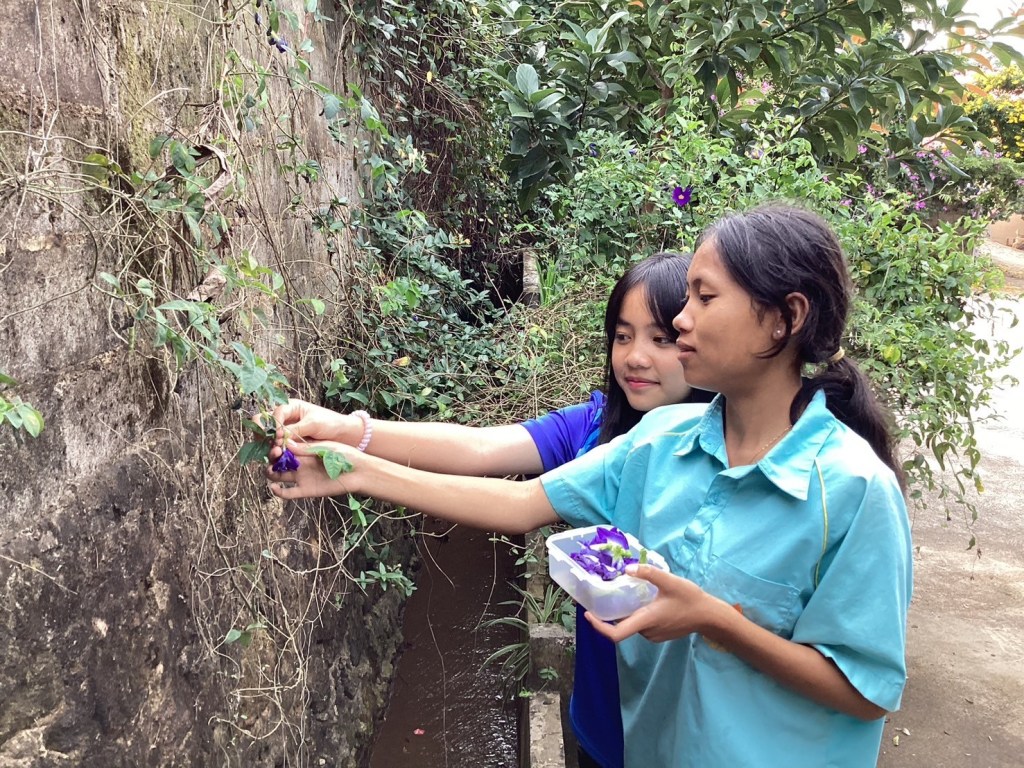
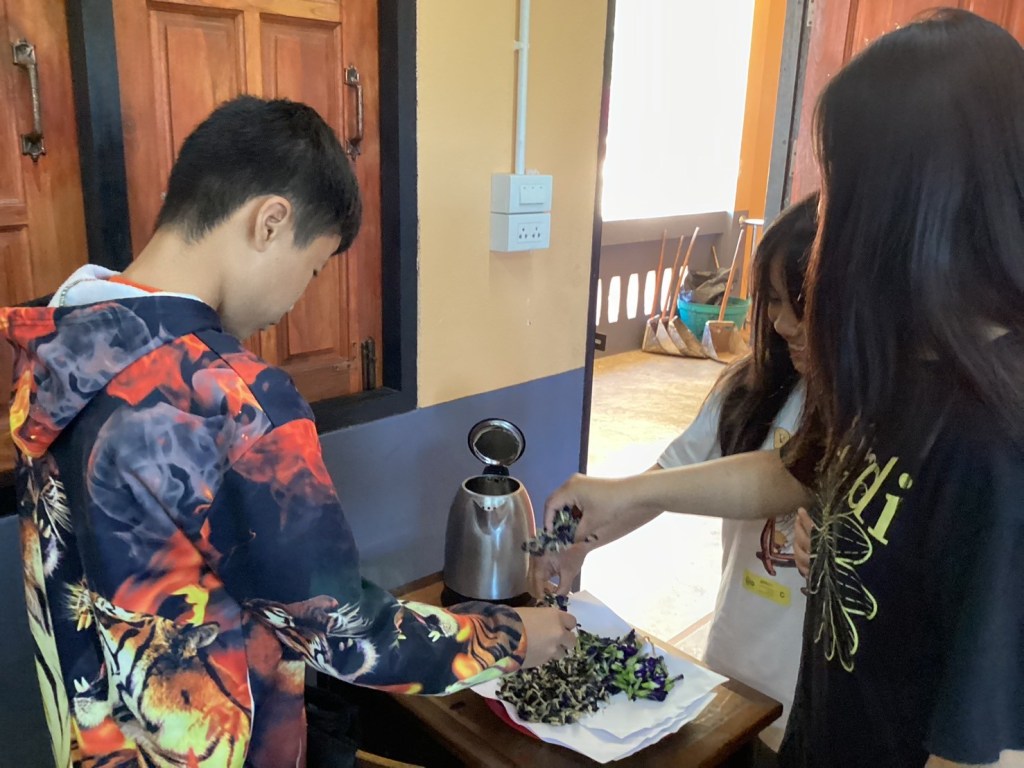
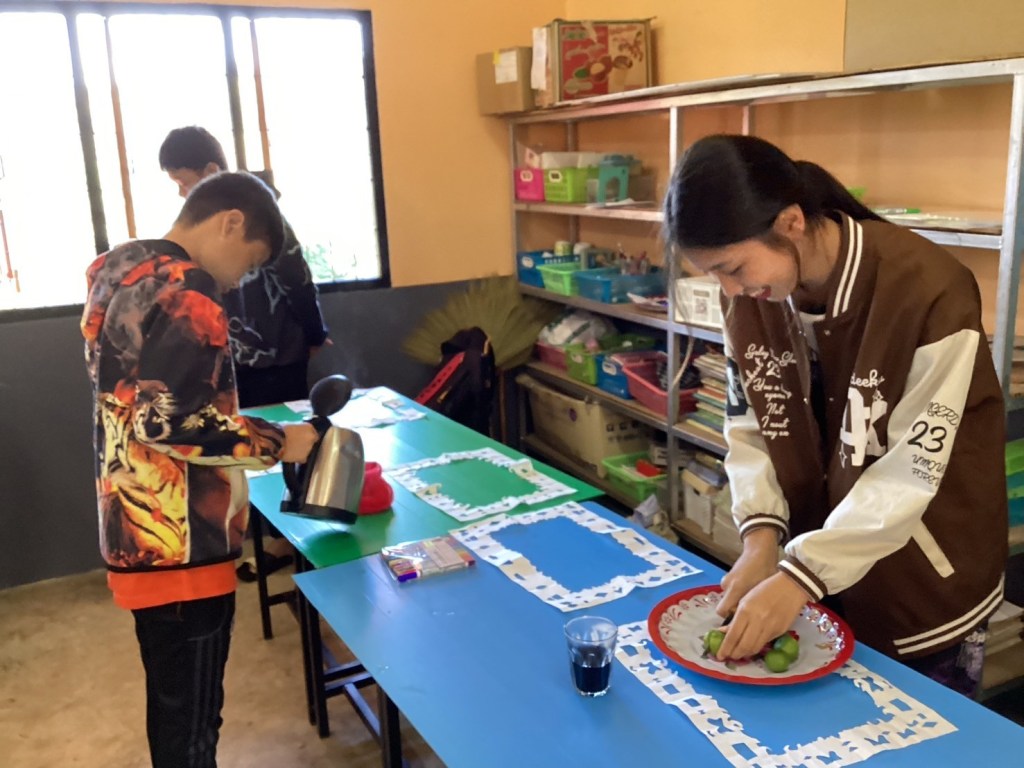
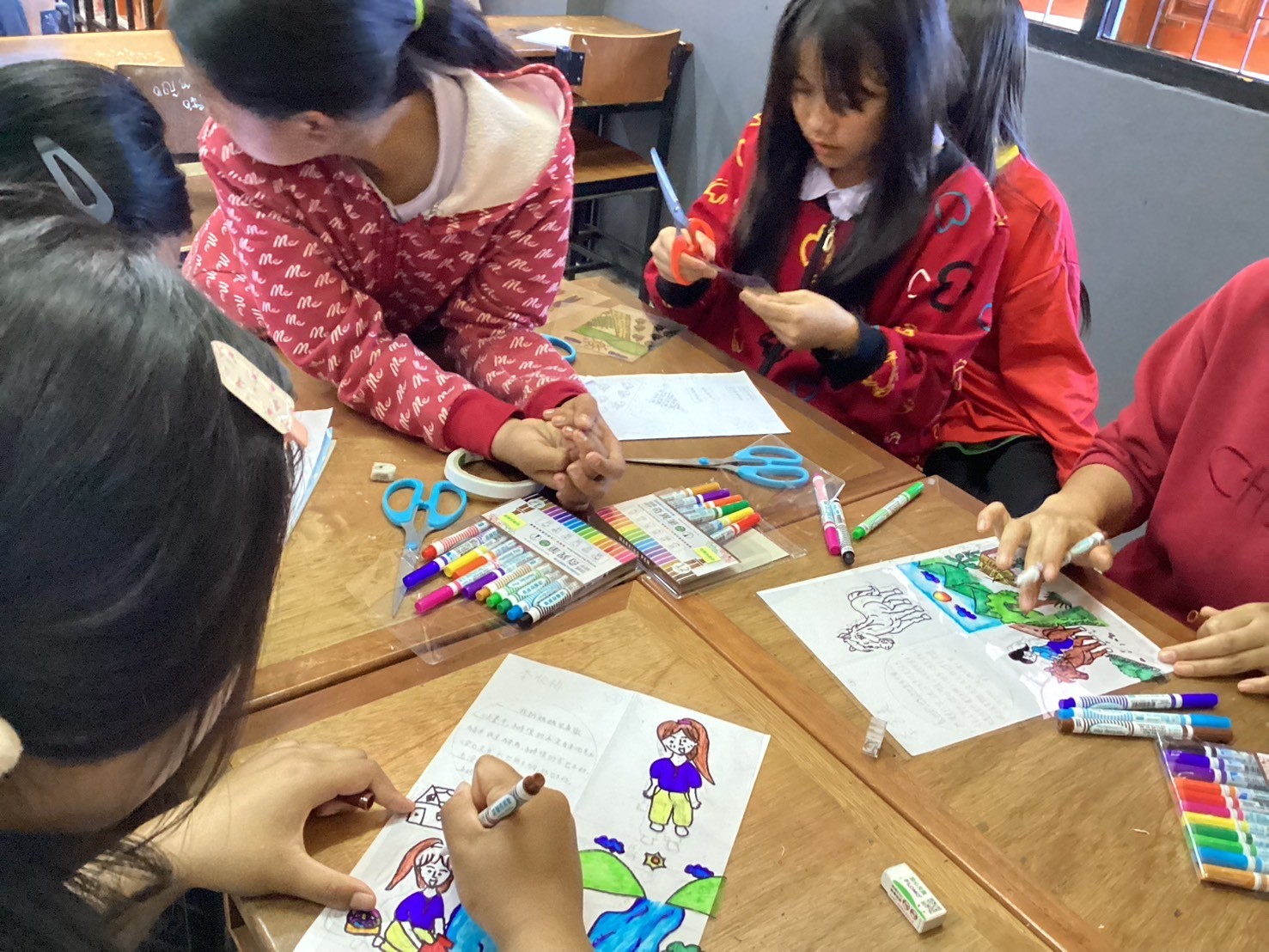
這場故事燈的旅程,不僅是手作的過程,更是一場與土地的深層對話。課程從大地開始,從一朵朵蝶豆花展開——孩子們走進田野,彎下腰,在陽光灑落的泥土裡採集那一抹靜靜綻放的藍。他們小心翼翼地將花曬乾、搗碎、提煉,像是對土地許下一場細膩的承諾。
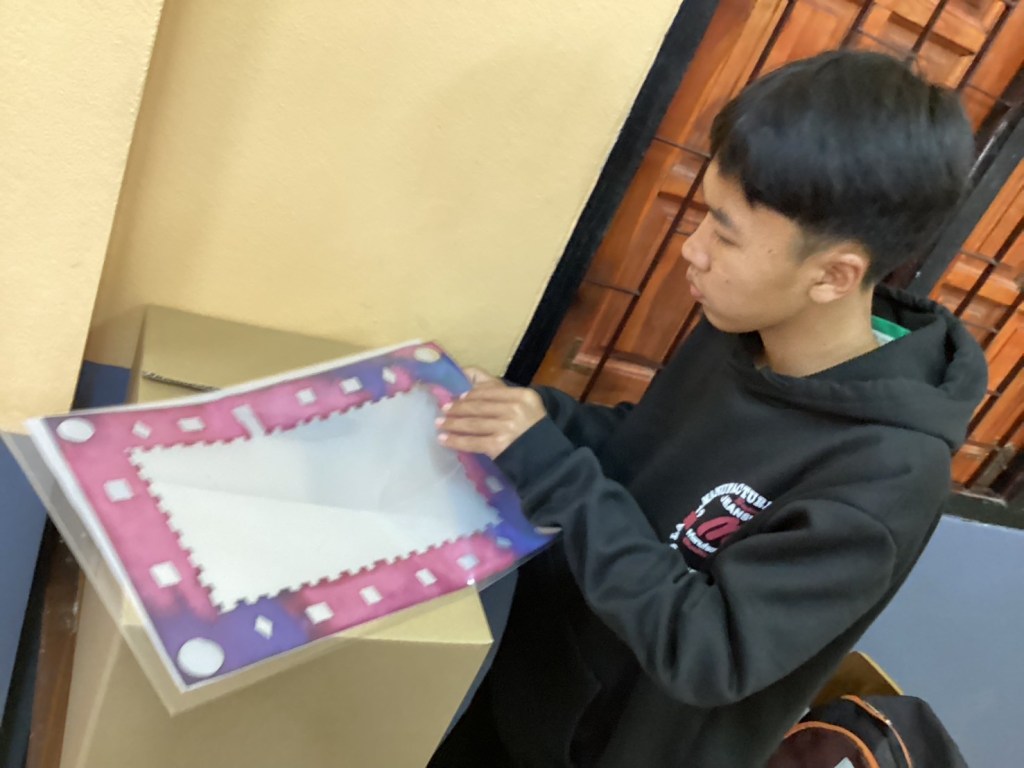
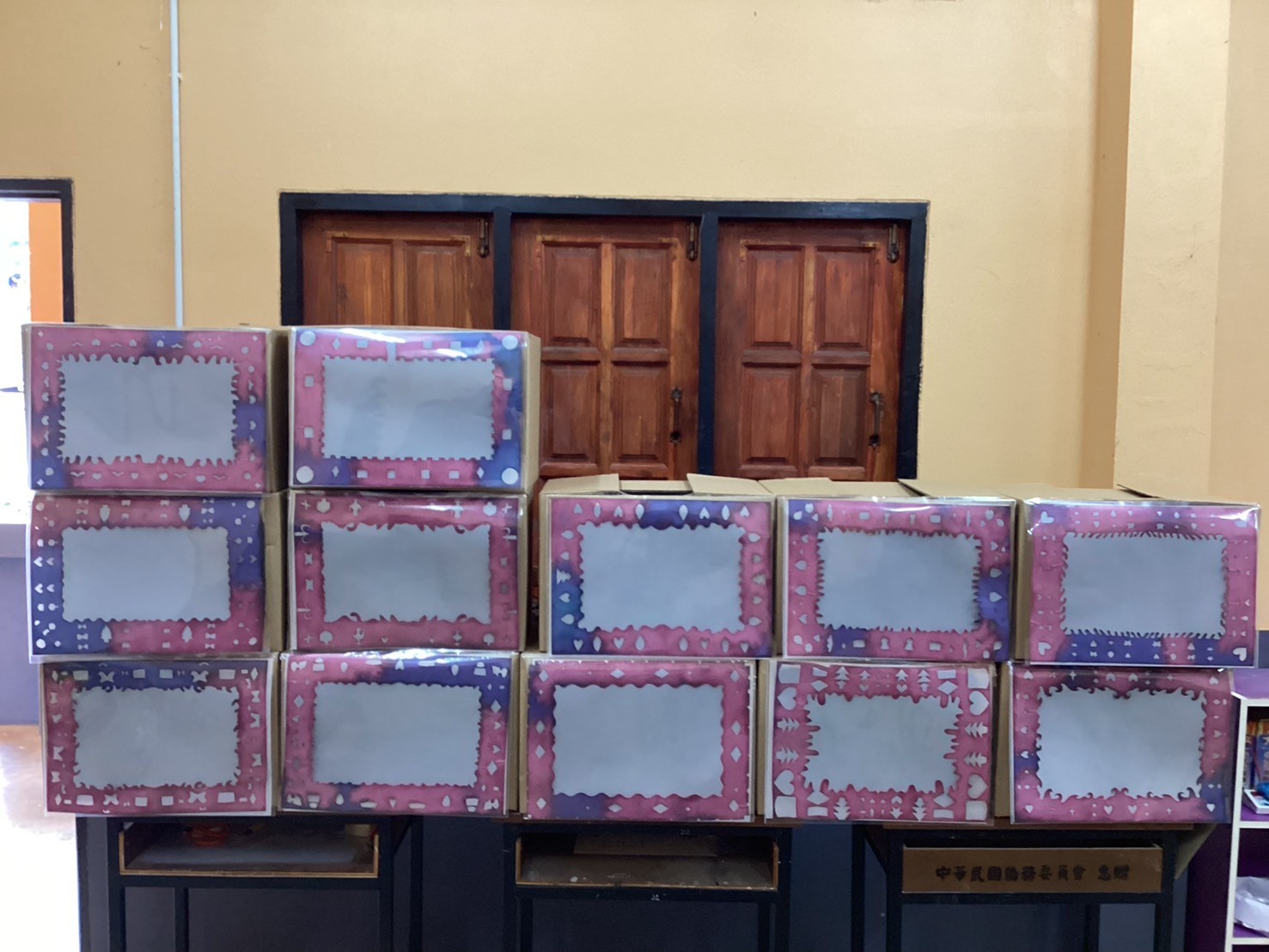
課程從那一天開始真正地深入——當孩子們第一次看見台灣的故事燈時,目光停在那手工棉紙剪出的面板,感受到傳統中式剪紙的古典韻味。秋華老師帶著孩子們圍坐討論:「我們能不能也創造出屬於泰北的色彩?既保留傳統的形式,也融入這裡的故事?」
「蝶豆花!」孩子們說。
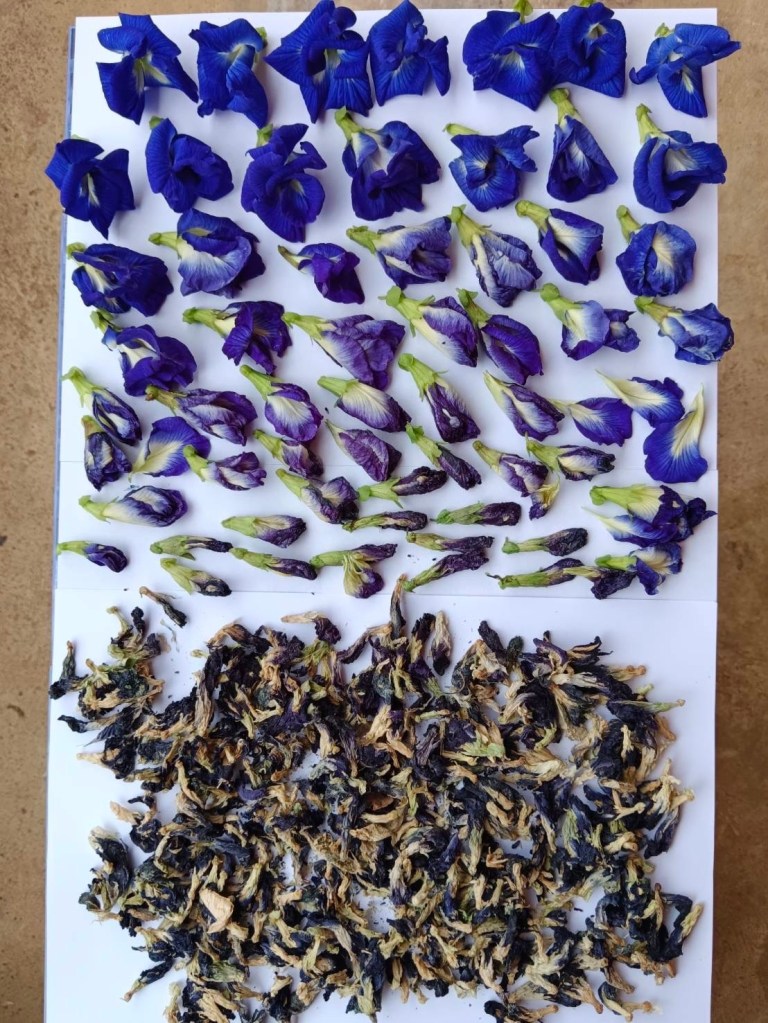
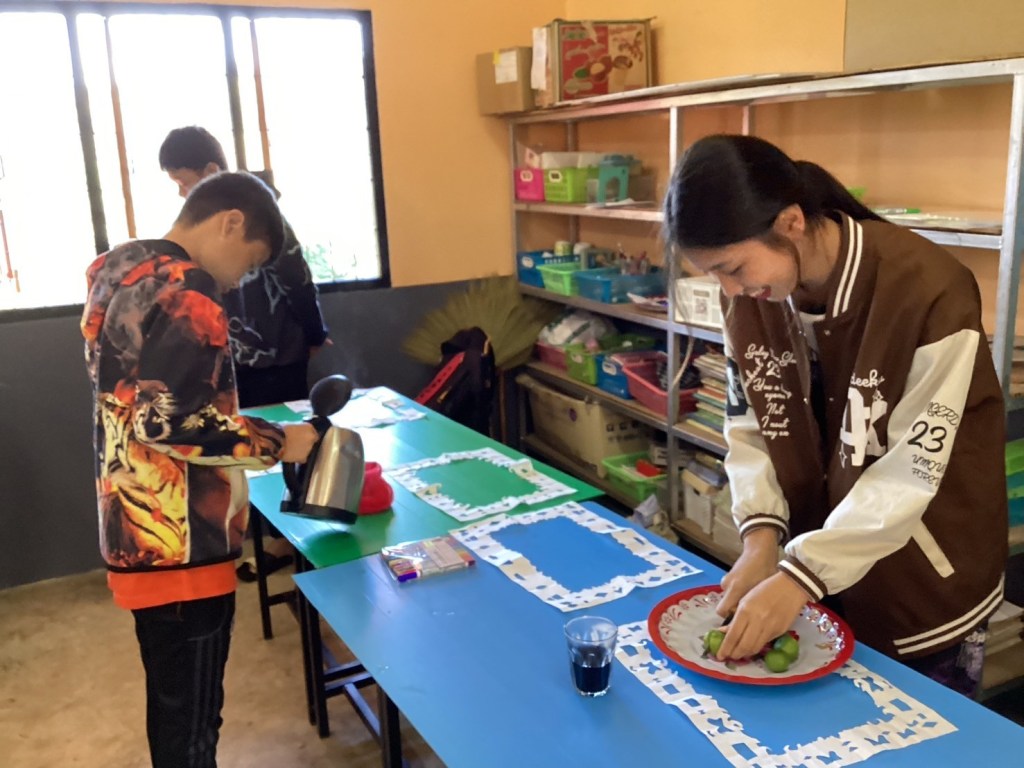
那是屬於這片山林的顏色——蝶豆花的藍。淡雅而神秘。但這藍色有個秘密:只要遇見酸,它就會奇蹟般地轉變成鮮紅。茹素小聲說:「就像那些遙遠的故事,有時是苦的,但說出來的那一刻,卻像染料遇酸一樣,變成了鮮紅的記憶。」
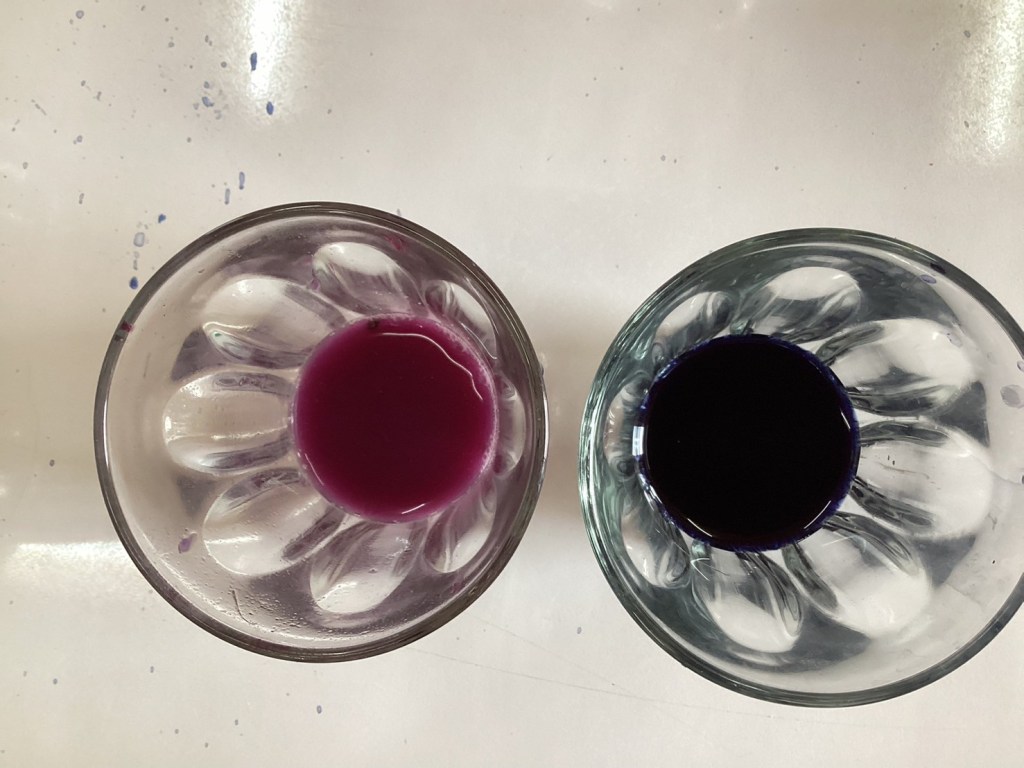
那是一種藏在心底的酸,一種來自遷徙、別離與守護的情感發酵。當這些故事走進創作裡,它們不只是記憶的顏色,而像是文化的血液,從手指尖流進紙上,也流進了一盞盞燈光之中。
2. A Dialogue Between Nature and Culture: The Blue of Butterfly Pea Blossoms
This journey of story lamps is more than a project of craftsmanship; it is a deep dialogue with the earth. It begins with soil and sun, with the quiet blooming of butterfly pea flowers. The children walk into the fields, bend their backs, and gather petals bathed in light. They dry them, crush them, extract color—delicately, reverently—as if promising something sacred to the land.
The true beginning came the day they saw the Taiwanese lamps, their attention caught by the handmade paper panels cut in traditional Chinese motifs. There was something solemn, timeless, in that red. Teacher Qiu Hua gathered them around and asked: “Can we make our own color? Something that honors tradition, but speaks of our own stories here?"
“Butterfly pea!" the children called.
That blue belonged to their hills. Subtle, mysterious. But this blue carried a secret—when touched by acid, it bloomed into bright crimson. One child, Ru Su, said softly: “It’s like those old stories—sometimes bitter, but when spoken aloud, they become vivid again, like blue turned to red."
That bitterness hidden in memory, fermented by migration, separation, survival—it became not just color, but a kind of cultural lifeblood, flowing from fingertips into paper, and from paper into the heart of every glowing lamp.
3. 故事跨越海峽:台灣與泰北的文化對話
故事燈的起源在台灣,那是一場從家庭出發的記憶運動,一盞盞燈成為孩子與祖輩之間訴說與傾聽的橋樑。在燈光閃爍中,台灣的孩子重新認識家的樣貌,那些藏在飯桌邊、老照片中、爺爺奶奶眼角的故事,也因此被重新點亮。
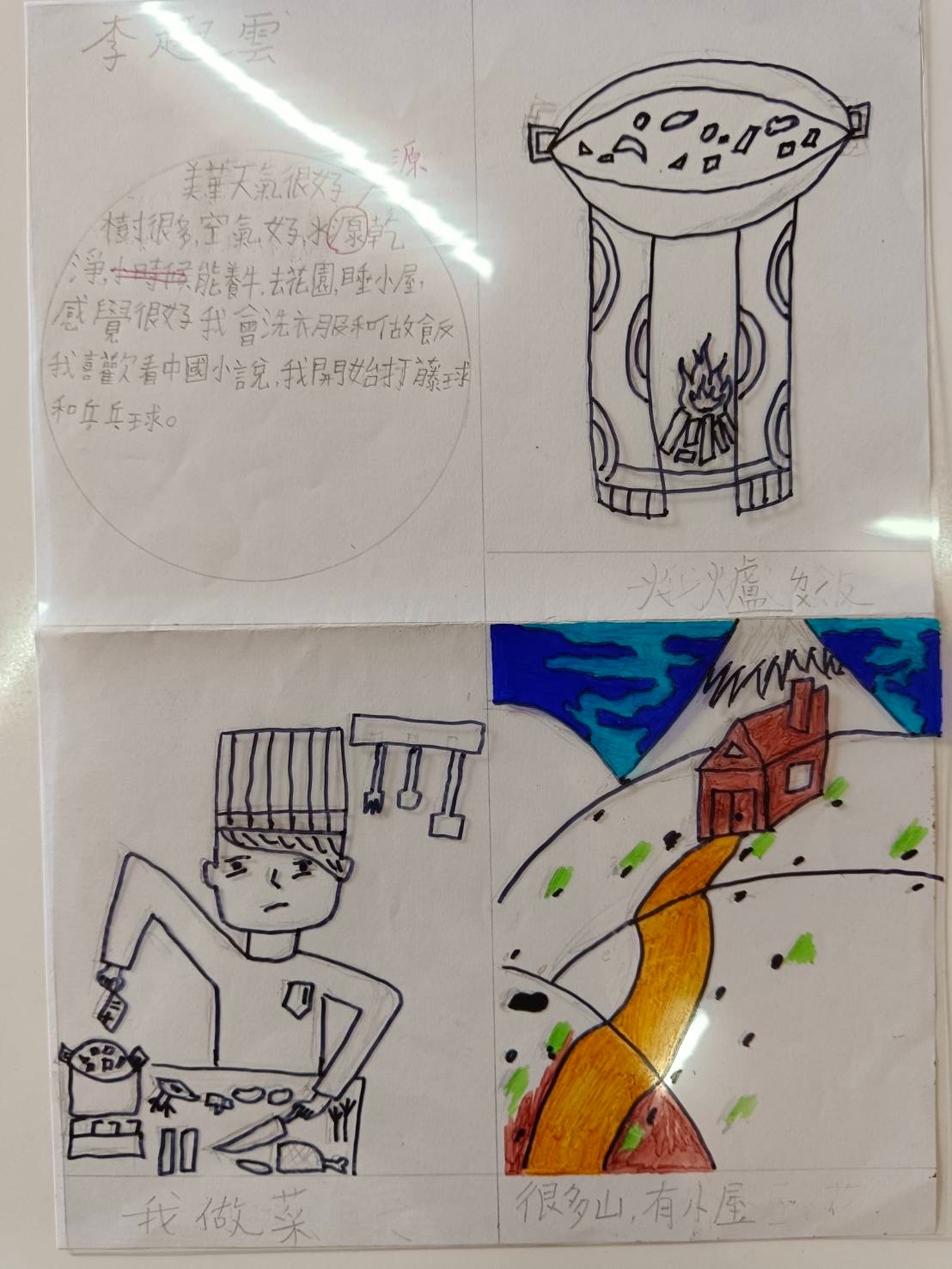
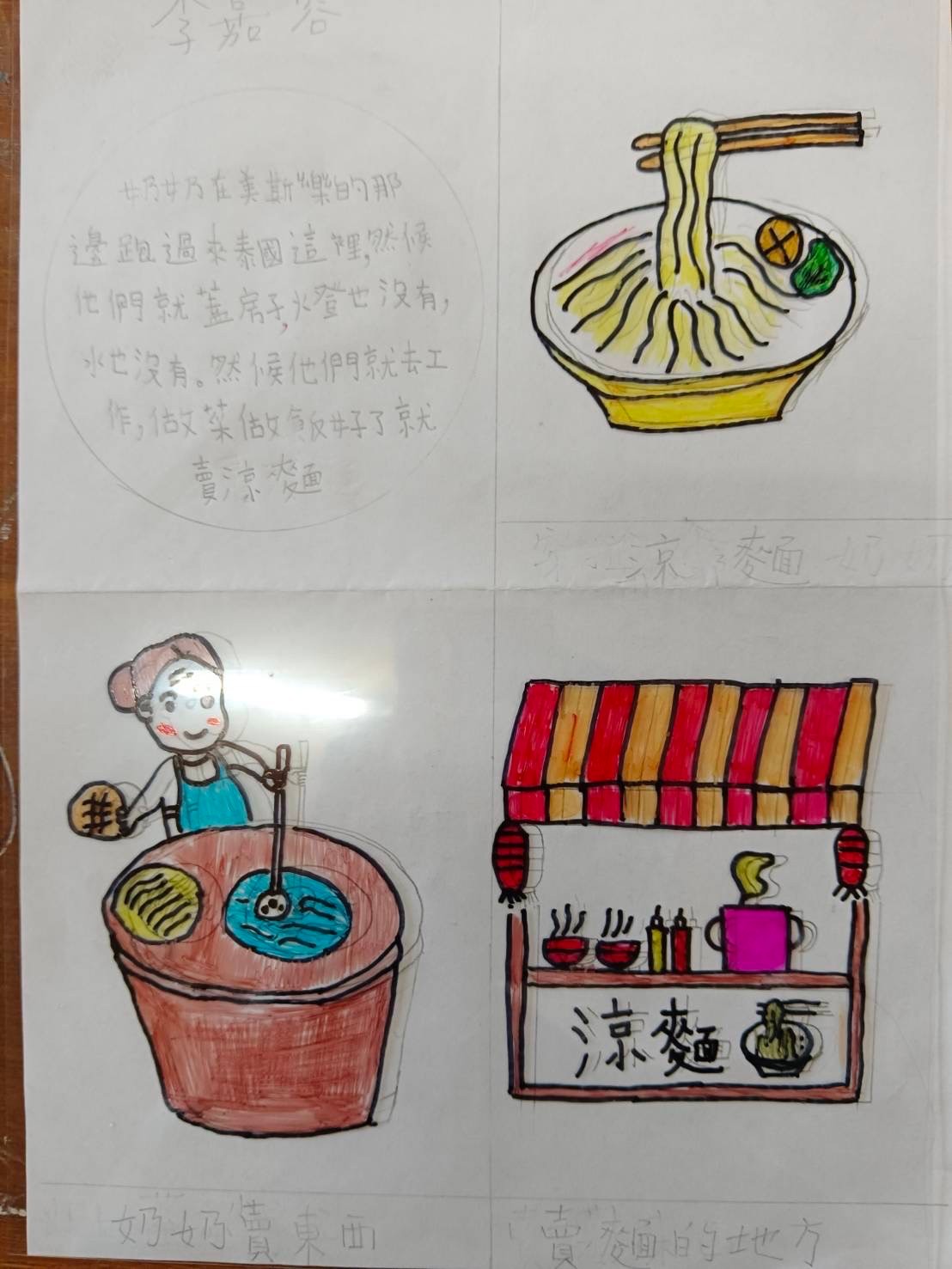
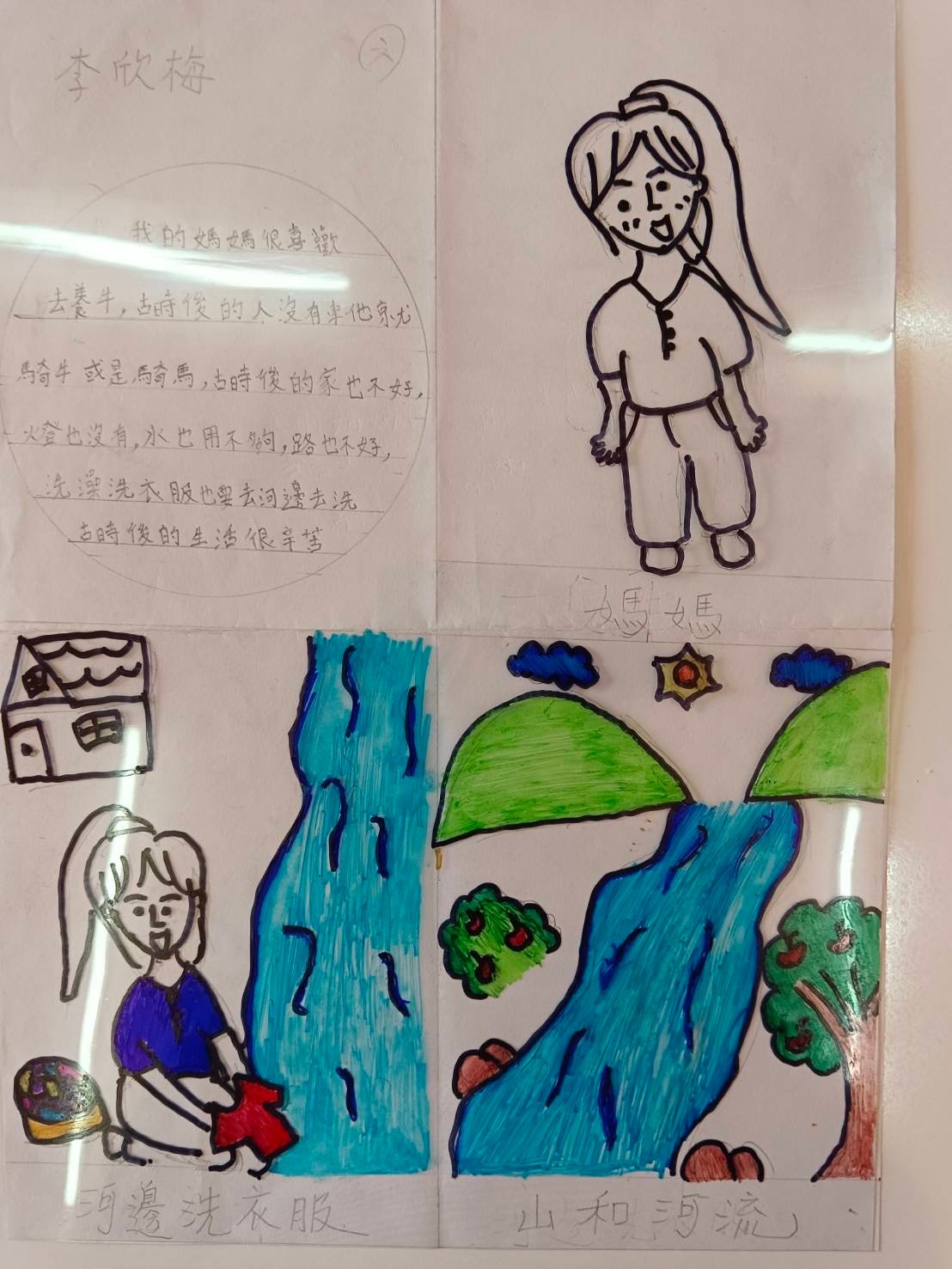
而當這樣的創作方式來到泰北,它不僅是一項藝術活動,更是一把通往文化根源的鑰匙。孩子們在學習華語的過程中,不再只是背誦聲調與筆畫,而是用光影建構自己的家族記憶。他們在故事燈裡描繪祖父從邊境走來的足跡、母親背井離鄉的年輕模樣,也在創作中第一次問出:「我們的故事是什麼?」
那是一種從未被明說,卻深藏心底的渴望——我來自哪裡?我擁有怎樣的名字與血脈?我是否能在這浩瀚的世界裡,舉起屬於自己的光?
於是他們開始明白:我來自一段值得驕傲的歷史,我的血液裡流淌著文化的記憶。在全球化的洪流中,我不是一座孤島,在語言與文化的交會之間,我並非孤單的文化孤兒。
故事燈成了這份覺醒的象徵,也讓台灣與泰北的孩子,在各自的土地上,同步點亮了心中的家。
3. Across the Strait: A Cultural Dialogue Between Taiwan and Northern Thailand
These story lamps were born in Taiwan, where they bridged generations across kitchen tables and wrinkled photographs. Taiwanese children, through light, found new language to speak with their elders. In each glow, they discovered the face of home.
And when this creative form reached Northern Thailand, it was more than an art activity—it became a key to the roots. No longer just reciting tones or characters, the children began using shadow and shimmer to sketch out the footsteps of a grandfather, the youthful silhouette of a mother leaving her village. And for the first time, they asked: “What is our story?"
It was a question long dormant in their hearts: Where do I come from? What names do I carry in my blood? Can I raise a light that belongs to me in this vast world?
And slowly, they began to understand—yes, I come from something noble. My veins carry memory. In this tide of globalization, I am no island. Between languages and identities, I am not an orphan of culture.
The story lamp became the symbol of this awakening. And across the ocean, Taiwanese and Thai children lit the same quiet fire—in different places, but with the same light in their hands.
4. 故事燈的亮起:照亮夢想的旅程
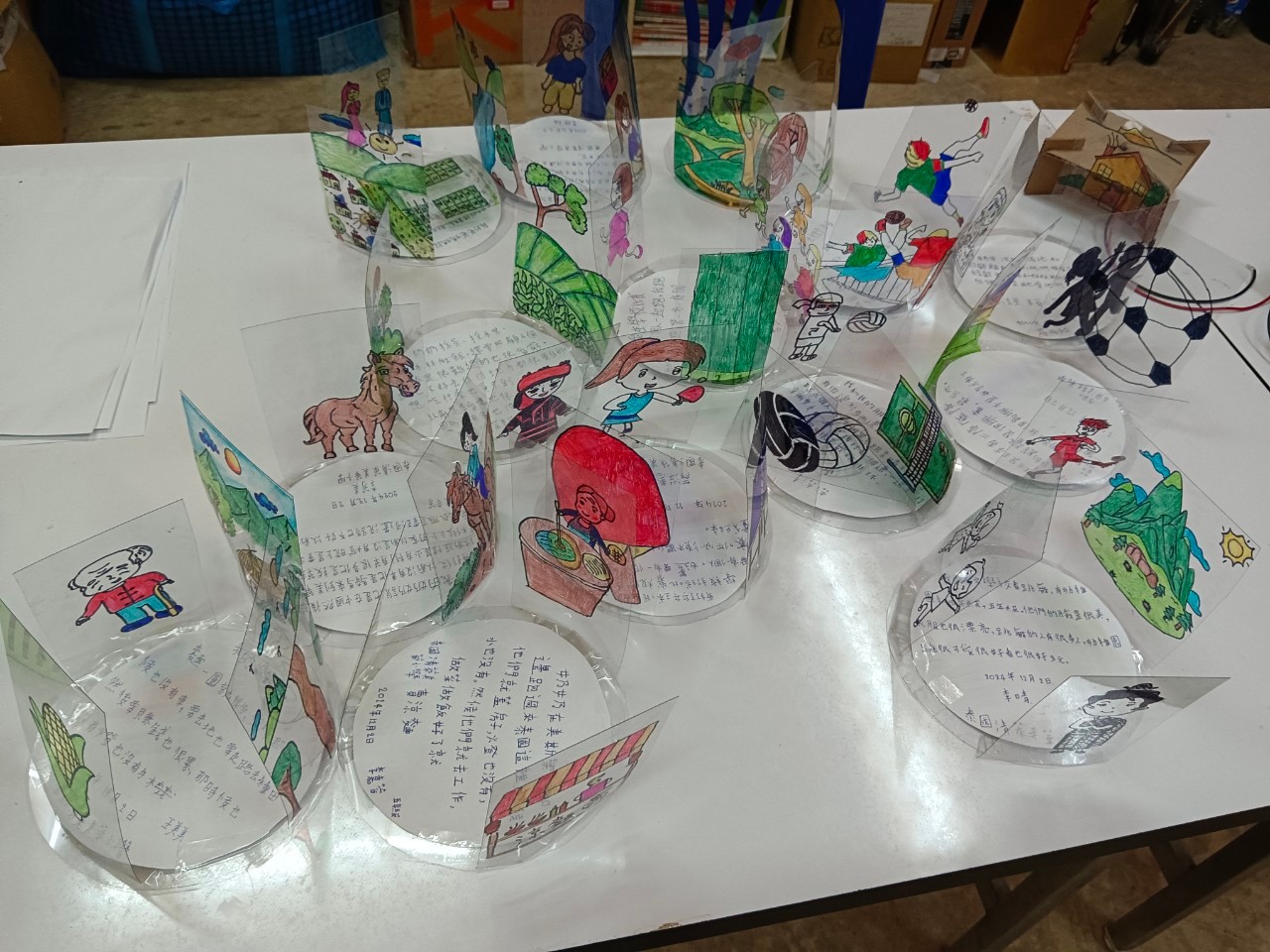
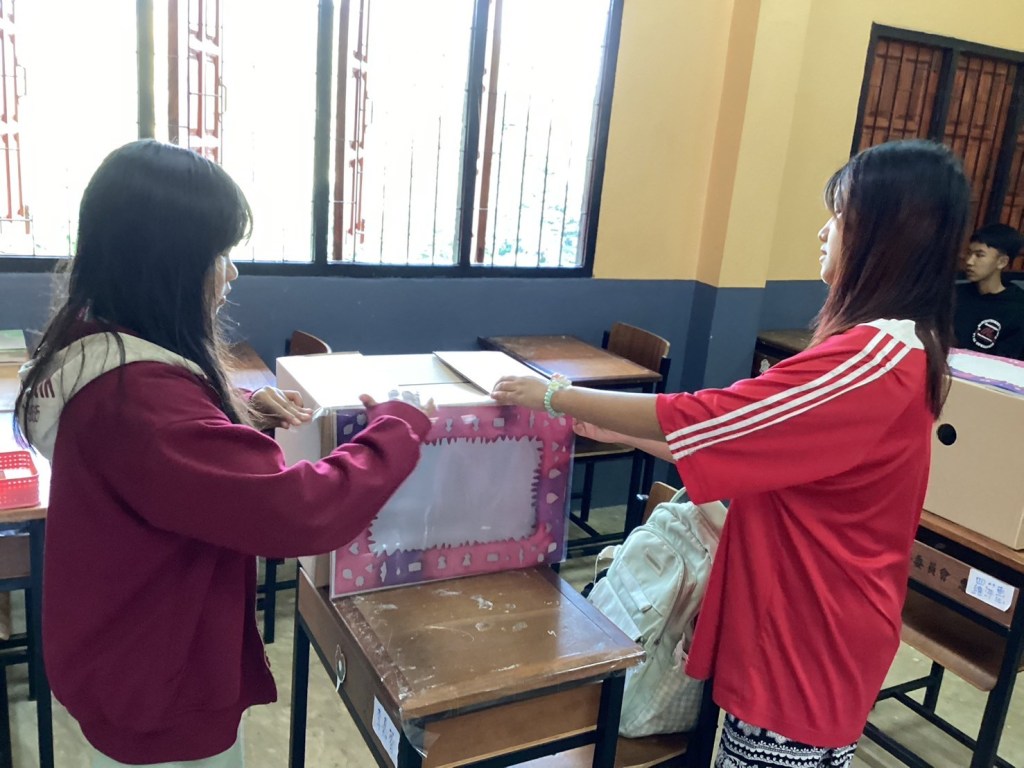
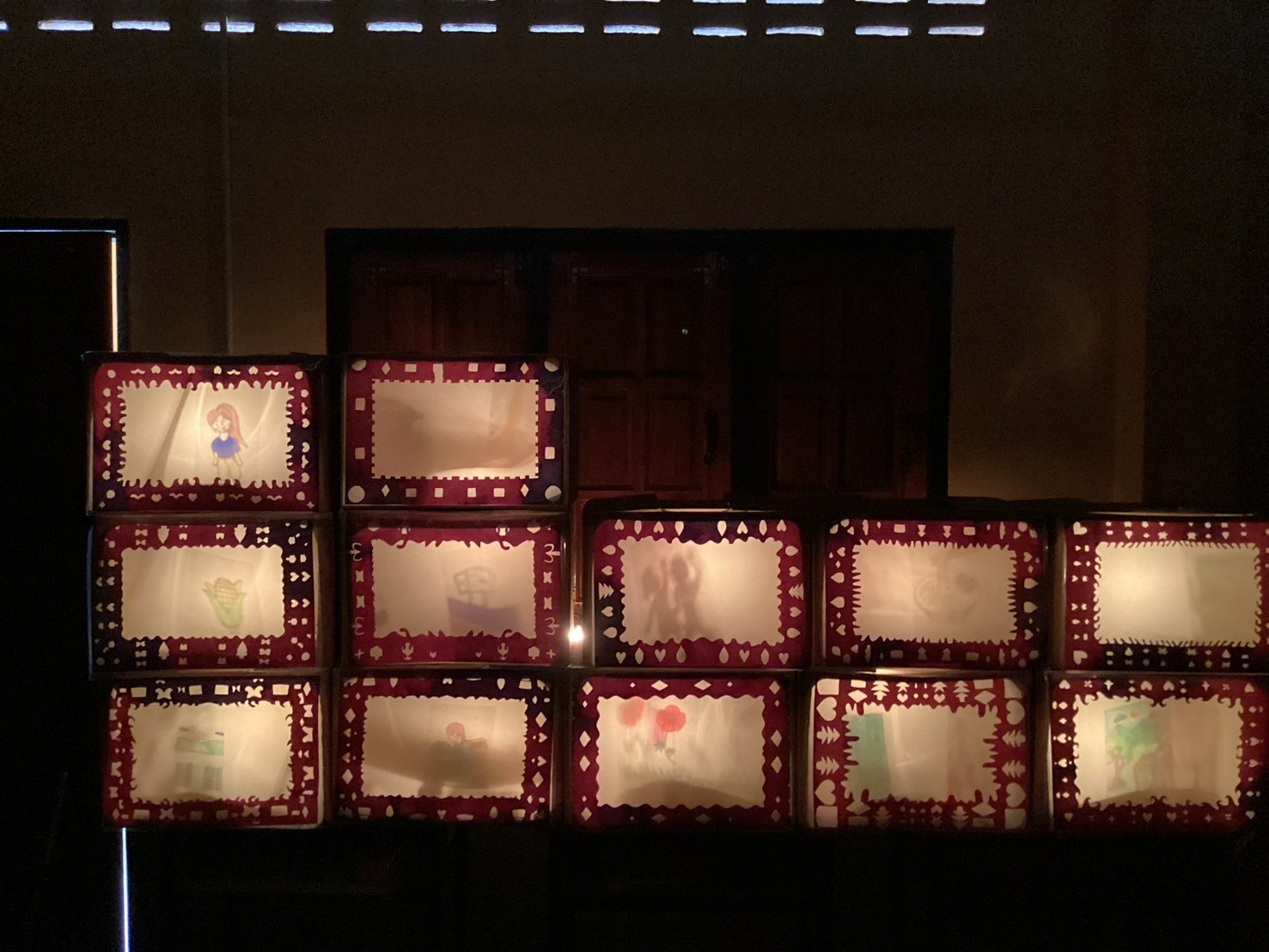
夜幕緩緩降臨,教室裡的燈光依次亮起——不是日常的燈泡,而是一盞盞孩子親手製作的故事燈。蝶豆花染出的深藍,伴著因酸轉成艷紅的剪紙圖紋,在燈光中透出一種沉靜而鮮明的色彩。它不像傳統大紅棉紙那樣耀眼奪目,卻以另一種艷麗,訴說著更可歌可泣、更淵遠流長的生命故事。
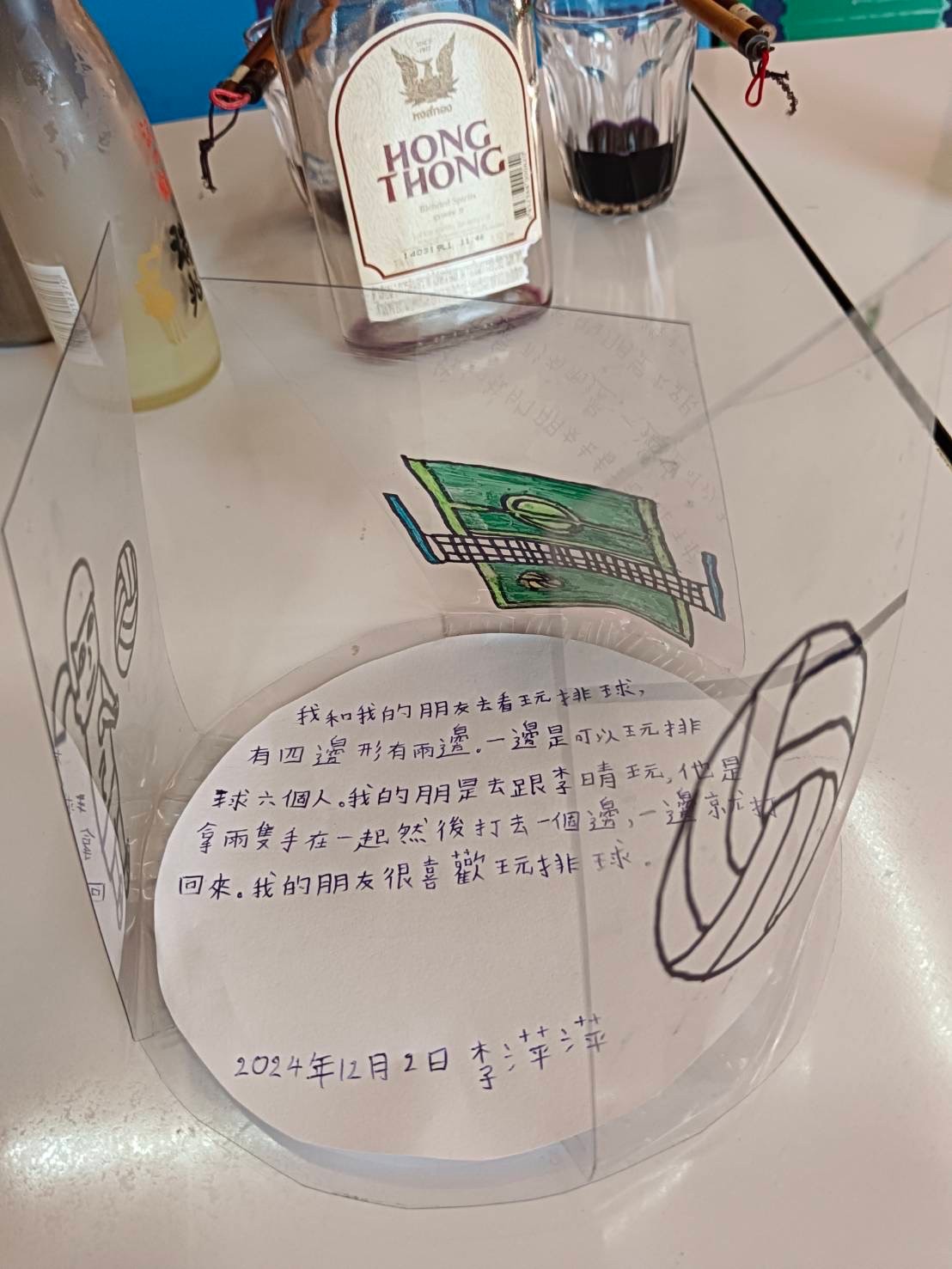
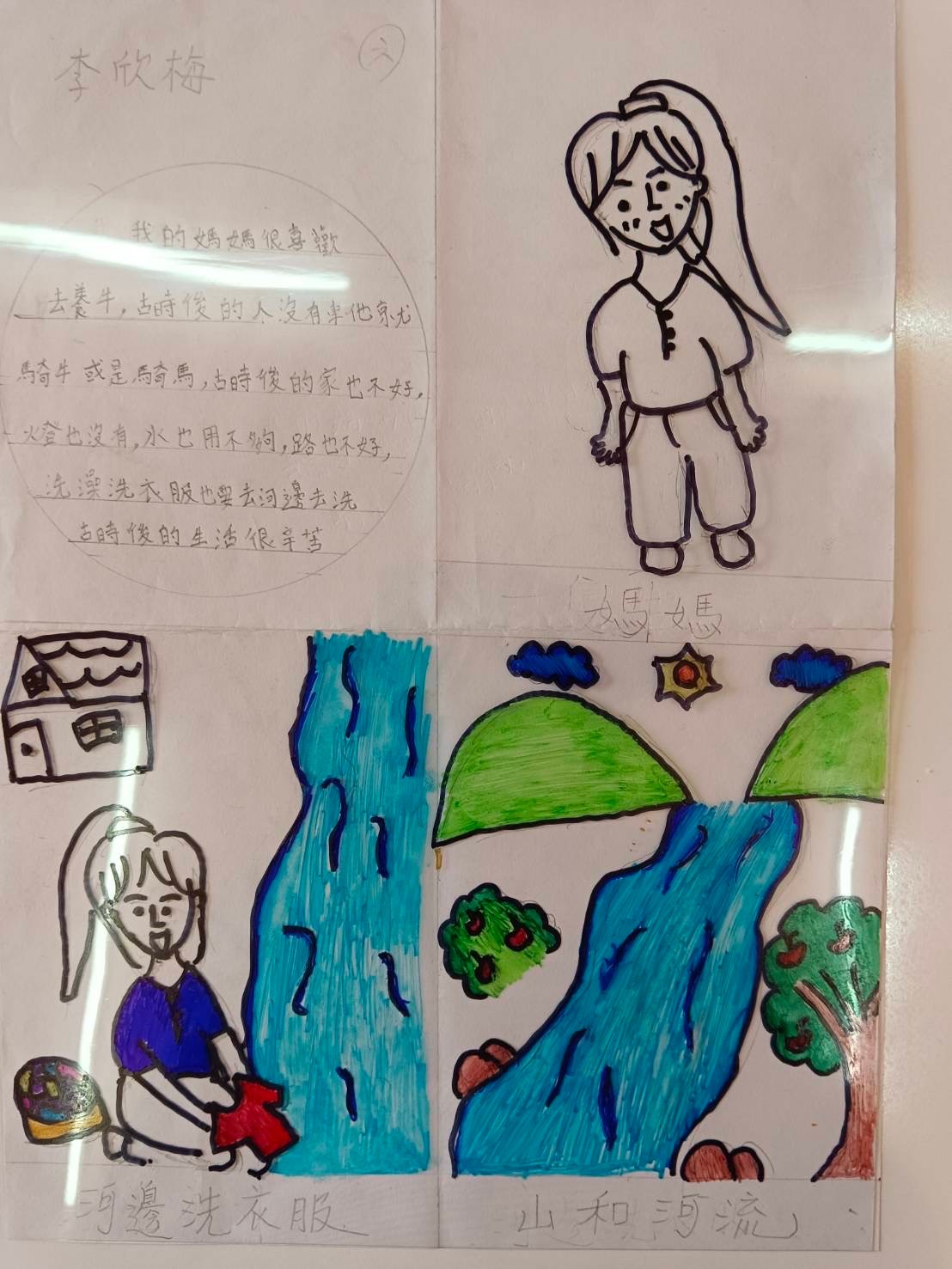
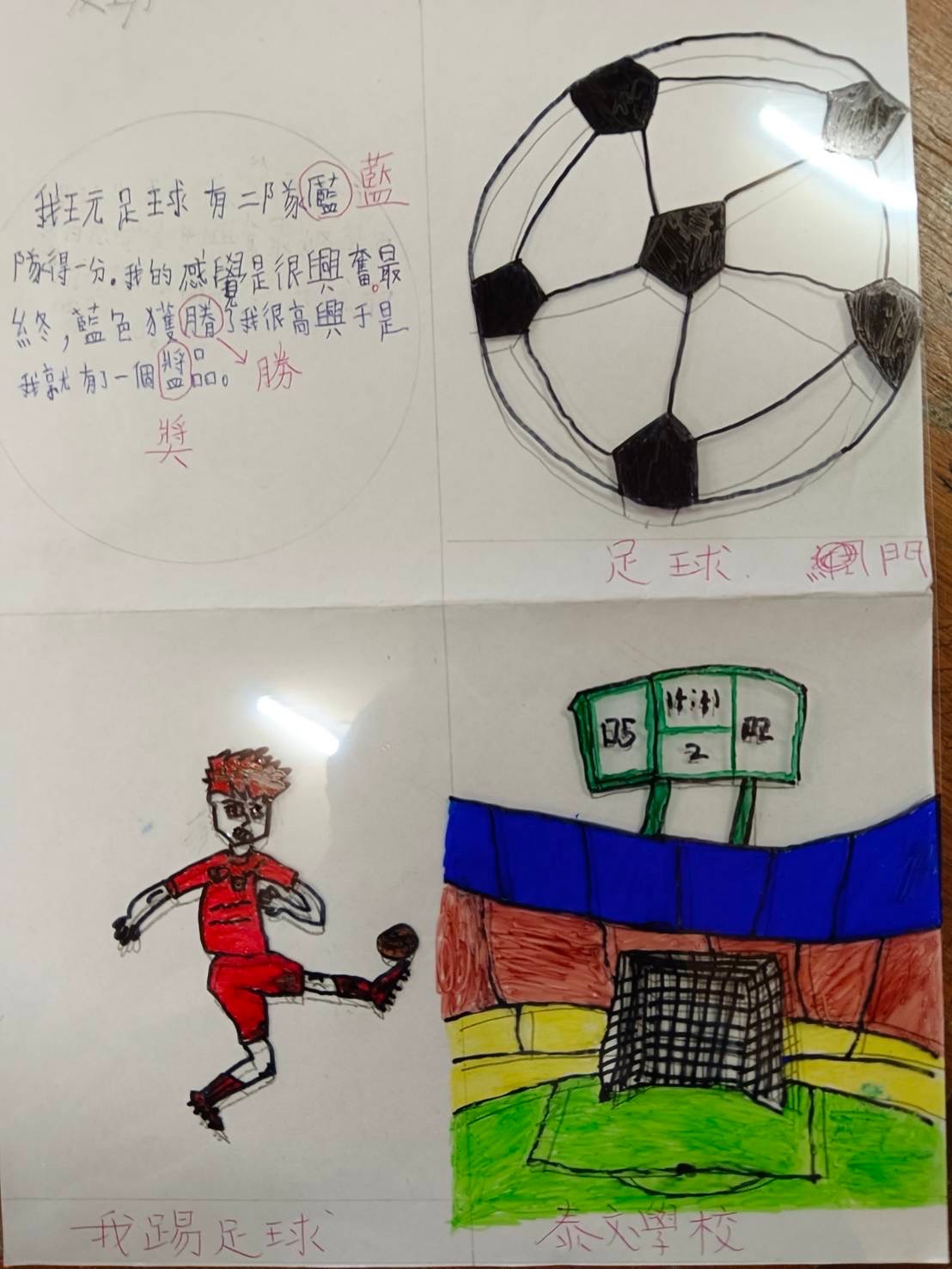
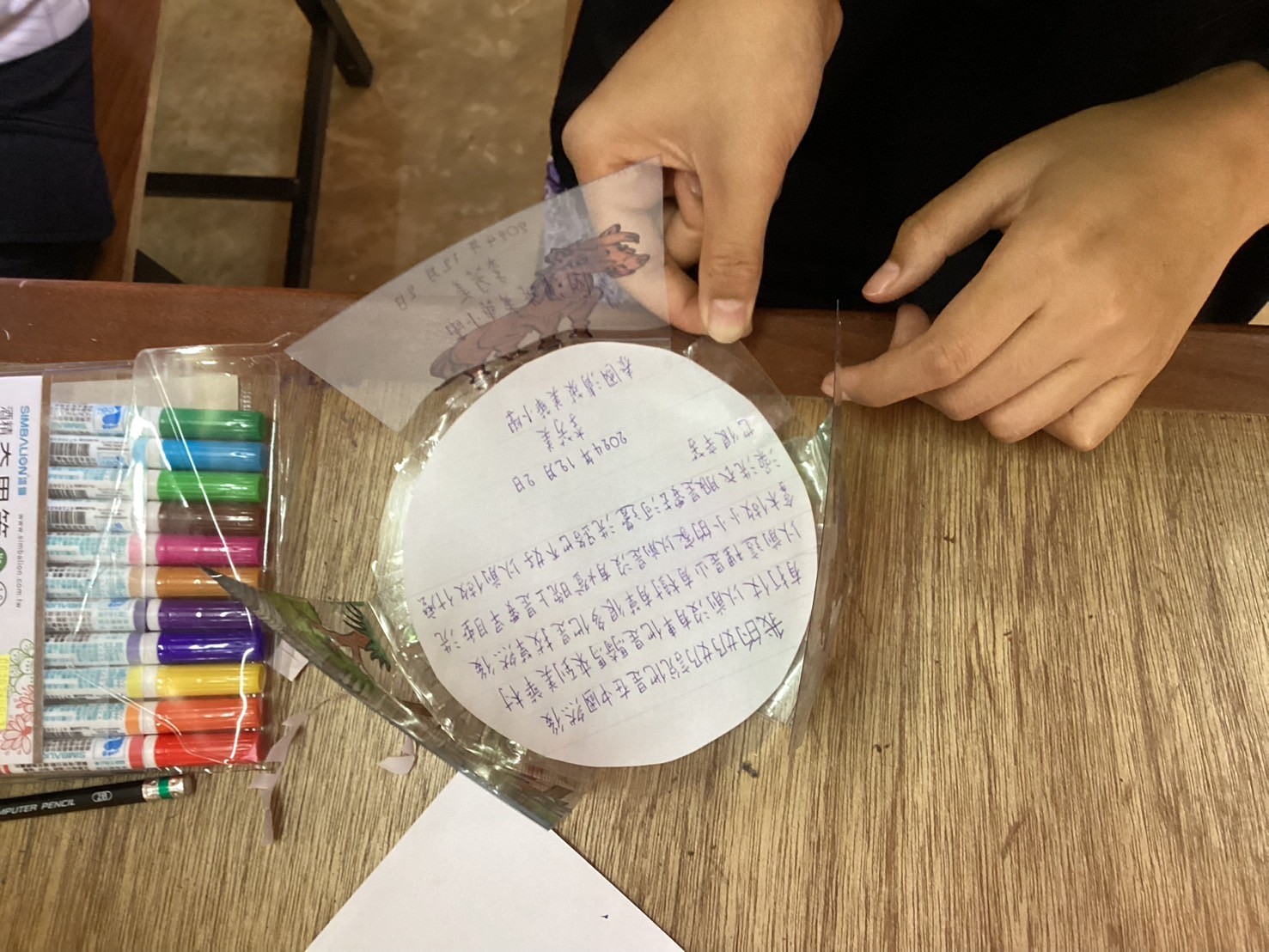
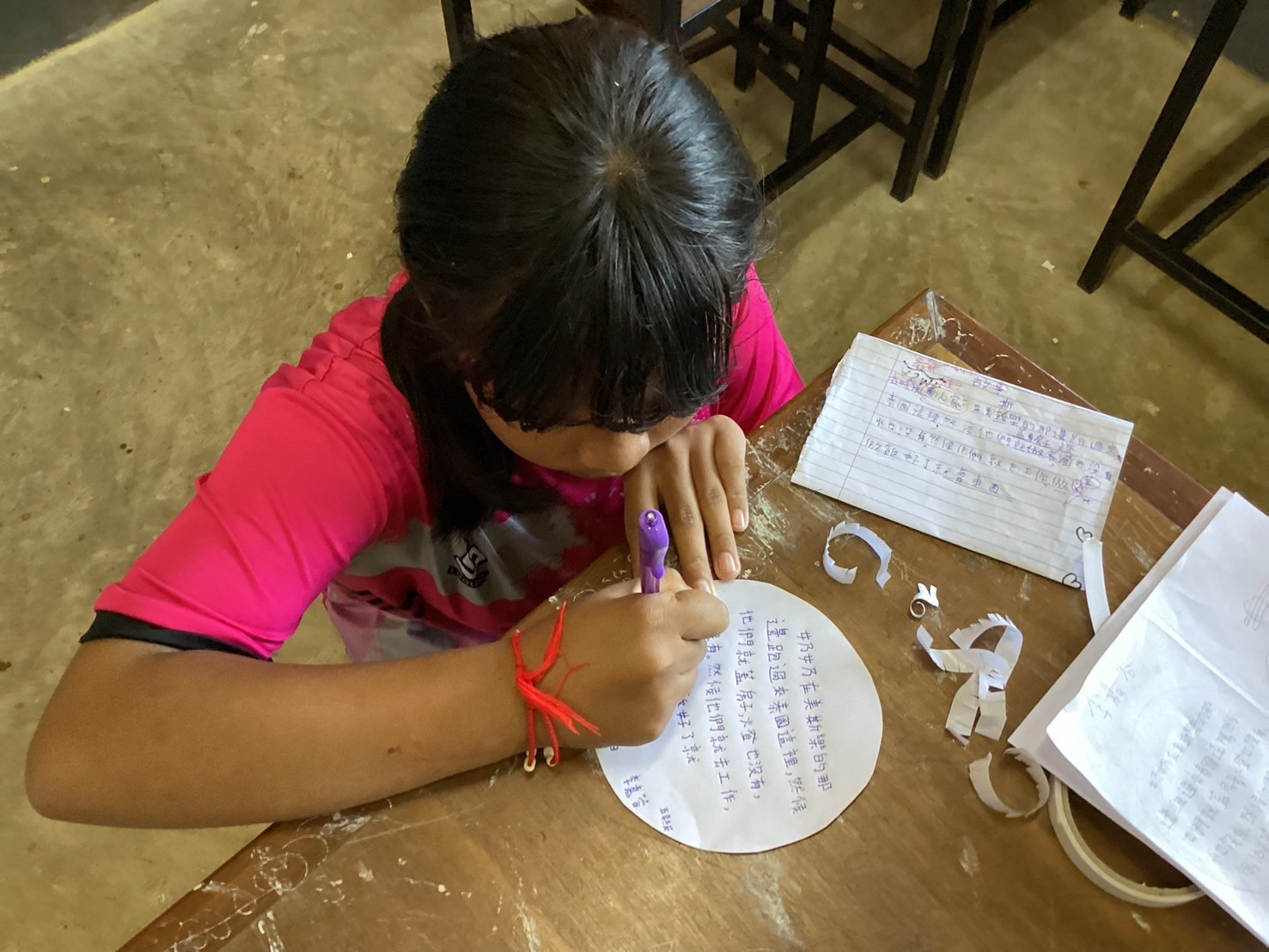
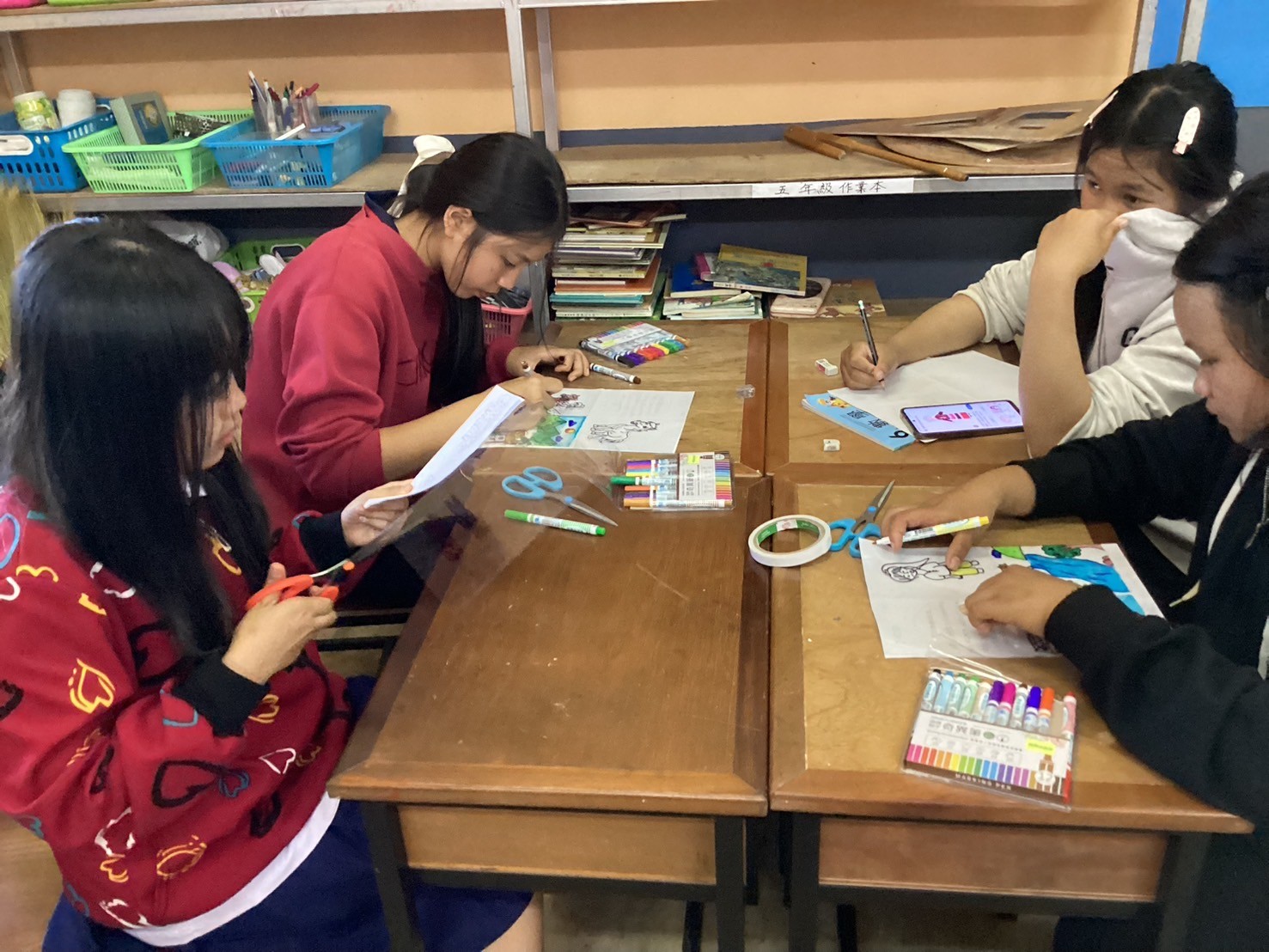
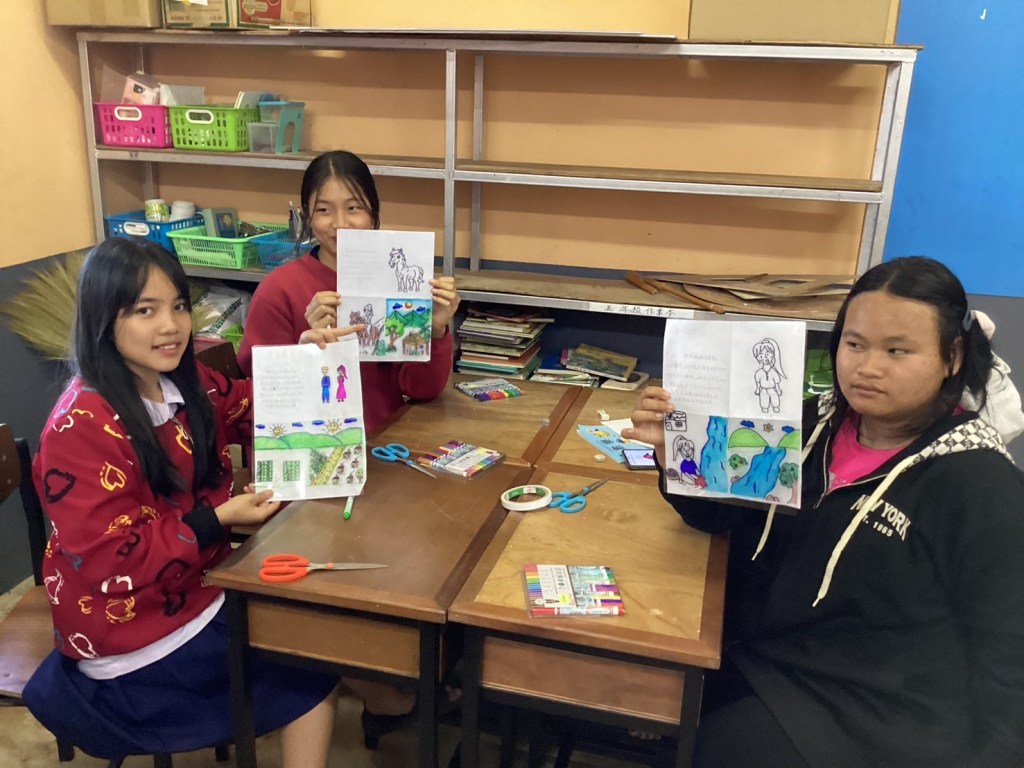
燈體內旋轉的故事轉盤上,一片片剪出賽珞珞片的小紙窗,繪製並記錄著孩子們對家族記憶的描繪與想像。他們繪下爺爺年輕時的模樣、奶奶逃離戰火的背影、外公曾經翻山越嶺只為一家人平安的腳步……每一個故事箱,都是一個家庭的光影見證。
這些故事不只屬於孩子們,更是屬於一整代人對生活的堅持與希望的遺傳。他們在光影之中,看見了祖輩的勇敢與堅韌,也照見了自己未來可以走得更遠的路。那一盞盞燈,點亮的不只是教室或夜色,而是孩子們心中初次萌芽的夢——一個相信自己的來處,也勇敢走向未來的夢。
4. The Lamps That Rose Like Stars: Illuminating the Journey of Dreams
As dusk settled over the school, the children’s lamps were lit one by one—not ordinary bulbs, but vessels of memory made by small hands. The deep blue of butterfly pea, transformed into vivid red by the gentle acidity of story, shone from within. Unlike the blinding red of traditional paper, this color whispered its tale—a song of migration, resilience, and unspoken beauty.
Inside the rotating mechanism of each lamp, cut paper windows known as sairororo pieces held fragments of memory—drawings of young grandfathers, grandmothers fleeing war, uncles crossing mountains for family. Every lamp was a living archive.
These were not merely children’s creations. They were the legacy of a generation, passed quietly from lips to lamps. In the soft glow, the children saw the courage of their ancestors and the shape of their own courage beginning to take form. These lights, modest in size, carried dreams vast as sky—dreams rooted in pride, lit with purpose.
5. 點亮生活的軌跡:文化傳承的下一站
故事燈的旅程,並沒有隨著課程的結束而熄滅。它靜靜地留下來,成為孩子們生活中的一部分——擺在屋角,陪伴他們寫功課;在黃昏時分,和祖母一同點亮,邊聽老故事邊重新描繪那盞燈上的圖樣。那已不只是作品,而是一段段家族共同完成的記憶見證。
村裡的居民也因此重新開始思考:我們能否用自己的語言、自己的方式,把文化繼續傳下去?原本塵封的記憶被孩子們一一喚起,逐漸成為可被述說的驕傲。他們開始相信,文化不需要模仿世界主流,它本身就擁有足夠動人的力量。
2025年3月下旬,這些故事燈被借展至台北寶藏巖,並與來自台灣與美國的小朋友共同進行了一場故事交換。在燈光與影像之間,孩子們述說著祖輩漂泊的歷程、移民的足跡與家庭中的愛——雖來自不同的國家與語境,卻意外地擁有相似的文化傳統與情感紋理。那一刻,他們彼此點燈,也點亮了對方的生命。
這不只是感動了自己,更讓彼此在世界的某個角落,以故事為橋,真正「相遇」。
這次活動,就像一顆種子,落在孩子與土地之間。或許它還很小,但它已經開始發芽。
未來,這些孩子會將故事燈帶得更遠——照亮世界,也照亮自己腳下的路。那是從泰北出發的光,安靜而堅定,讓世界聽見:這裡有故事,這裡有文化,這裡有希望。
5. Lighting the Path of Life: The Next Chapter of Cultural Continuity
The journey did not end with the final class. The story lamps remained—on shelves, in corners of rooms—lit again at dusk by children and their grandmothers, who whispered stories while the light danced softly on the walls. These were no longer just art pieces. They had become part of life, part of love.
In those villages, something began to stir. Elders started to wonder: can we pass on culture not with sermons, but with stories? The memories that had once been buried began to rise, proud and steady. They began to believe that their own traditions, in their own language, were beautiful enough to endure.
In March of 2025, the story lamps traveled to Treasure Hill in Taipei, where children from Taiwan and the United States met to share stories. In that quiet corner of the world, under lamps lit by different hands, they spoke of migration, of belonging, of family. Though from different nations, they discovered similar roots, and in that light, they saw each other—truly, deeply.
They lit each other’s lamps, and in doing so, they illuminated each other’s lives.
Like seeds planted between children and soil, the project has only just begun to grow. One day, these children will carry their lights farther—into the world, and into the depths of their own becoming. And from Northern Thailand, a quiet, unwavering light will continue to shine. A light that says: Here is story. Here is culture. Here is hope.
結語|下一盞故事燈,將照亮更多未來
這場故事燈的旅程,是一段由孩子與家人共同織就的生命軌跡。它不僅是一項創作,更是一場橫跨世代的情感療癒,也是一場文化記憶的重生。
透過光與影的交織,泰北的孩子們找回了屬於自己的文化根源;家人之間,也因這樣的創作過程,再次連結彼此的回憶與情感。而我們——在每一盞微微閃亮的燈光中,看見的不只是過去,也是一種溫柔而堅定的未來。
讓我們一起期待,下一盞故事燈的亮起。
它將點燃更多回憶,連結更多家庭,也將繼續照亮,一段又一段動人的篇章。
Epilogue|The Next Lamp Awaits
This journey of story lamps is a thread woven by children and their families—a trail of light across generations. It is more than a craft. It is healing. It is rebirth.
Through the weaving of light and shadow, the children of Northern Thailand rediscovered the roots they thought forgotten. Families found each other again in the warmth of memory and creation. And we, looking into these humble lights, saw not only the past—but a gentle, resolute vision of the future.
Let us await the next story lamp to be lit. It will carry more memories. Connect more families. Illuminate the pages of many more unwritten, beautiful stories.
 雨潤 禾熟The rain falls and the rice is ripe