
我聽見了他們的聲音,
不,是時間的聲音——
它不是高聲的宣告,不是歷史的巨響,
而是藏在梳妝台上的小小首飾盒裡,
是木盒蓋掀開時,細細摩擦的氣息,
是一隻溫柔的手,停在兒時頭髮上的那個瞬間。
I heard their voices—
No, it was the voice of time itself.
Not a grand proclamation, not the roar of history,
but the whisper of a jewelry box on an old vanity,
the soft rasp of a lid being opened,
a gentle hand resting on a child’s head.
他們一邊從口袋裡拿出物件,
一邊說道:「這是我媽媽給我的。」
「她邊幫我梳頭髮邊說:孩子,要記得自己是誰……」
我看見,那物件其實是一道光,一座橋,
從往昔,通向現在,也指引著未來。
They reached into their pockets and pulled out small treasures.
“This was from my mother,” one said.
“She used to comb my hair and tell me, ‘Child, never forget who you are…’”
I saw it then—not just an object,
but a light, a bridge, stretching from the past,
touching the present, and quietly pointing toward the future.
一個承載一生記憶的方塊
我們請社區的長者帶來他們生命中一個「重要的物件」——
也許是一個懷舊的髮簪、一本泛黃的詩集、或一方母親織就的手帕。
有些物件雖小,卻飽含情感與記憶。
A cube that holds a lifetime
We invited elders from the community to bring an object—
something precious from their life.
A faded book of poems, a comb from a childhood drawer,
a handkerchief stitched by a mother’s hands.
Small in size, vast in meaning.
這不只是「東西」,
而是某段日子裡,家裡飄著菜香、
電風扇吱呀轉動的午後,
是坐在木椅上的母親,輕聲說話的片段。
These weren’t just things—
they were afternoons heavy with the scent of home cooking,
the slow creak of an electric fan turning in a warm room,
a mother on a wooden chair,
speaking softly, her words lingering long after.
我們與他們一起,
用鉛筆細描這個物件,畫下每一道裂痕與刻紋,
再加入屬於這段記憶的其他元素——
窗邊那盆玫瑰、書桌上的照片、或老家的紅磚牆。
Together, we sketched each object by hand—
capturing every crack and scratch in pencil.
Then we added more:
a rose by the window,
a photograph on a desk,
the red brick wall of a childhood home.
最後,我們將這些圖像與想像,
裝進一個透明的記憶方塊中。
這不是冷冰冰的展示盒,
而是一座光的容器,情感的座標。
At last, these fragments of memory and imagination
were sealed inside a transparent memory cube.
It wasn’t just a display—it was a vessel of light,
a compass of emotion.
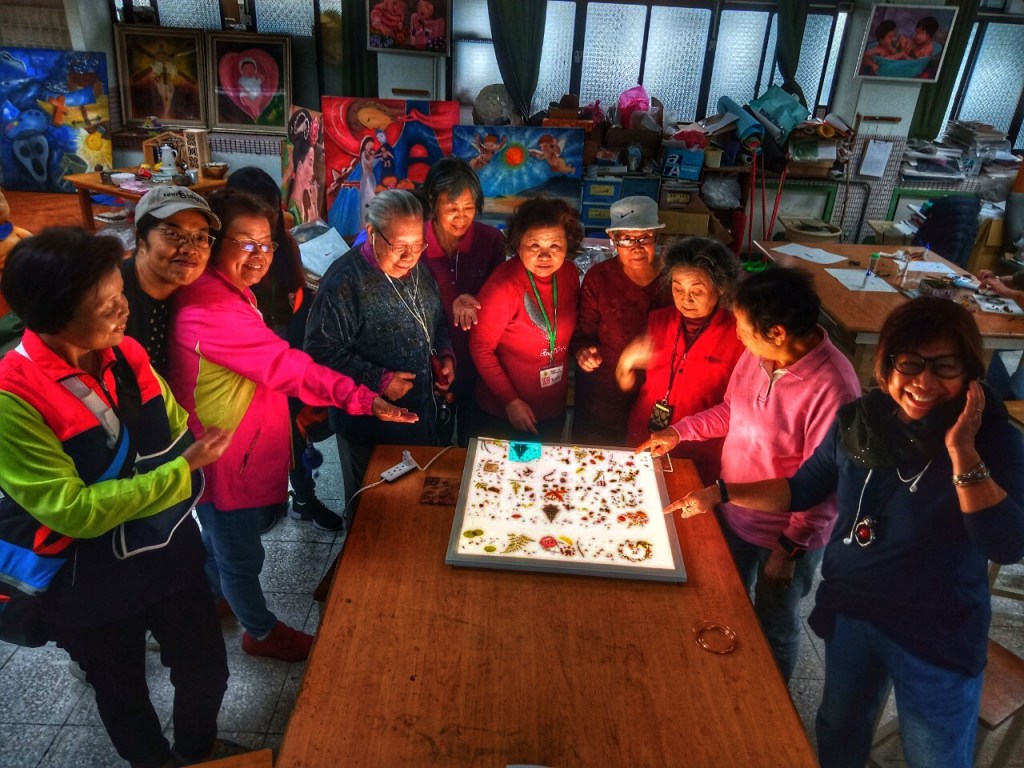
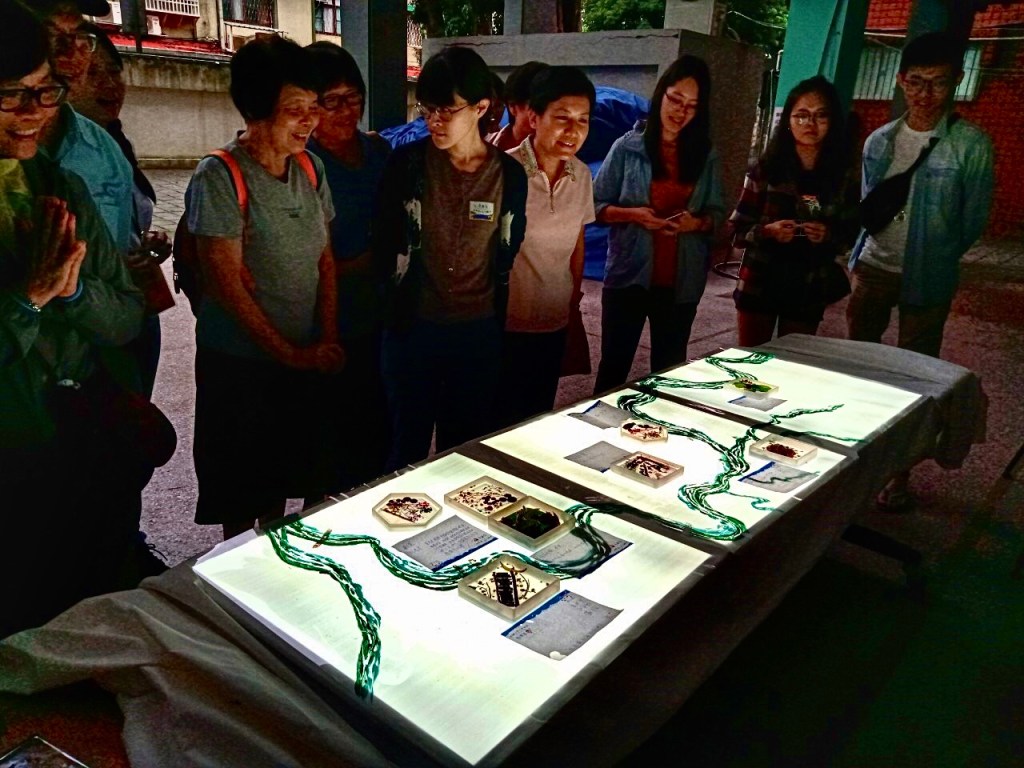
當它們被放上光桌……
當這些記憶方塊放上光桌,
整間教室忽然就安靜了,
彷彿每一盞光都在傾聽。
When placed on the light table…
When the cubes were placed on the light table,
the room fell quiet—
as if each beam of light had learned to listen.
有人緩緩開口——
「這是我小時候,媽媽送給我的項鍊。」
「我一直沒有說,但我一直記得她當時說的話。」
And then, slowly, voices emerged—
“This necklace was a gift from my mother, when I was a child.”
“I never spoke about it before,
but I’ve remembered what she said all my life.”
而我們在一旁看見的,是一份遞送:
從老一代的手中,傳給下一代的故事、信念與愛。
And what we witnessed beside them
was a quiet offering—
a story, a belief, a love,
passed gently from one generation to the next.
這不只是一堂課,而是一場靜靜的慶典
這堂課,或許只是我們稱為「記憶方塊」的其中一節,
但它遠遠超出教案的邊界。
More than a class, it’s a quiet celebration.
It may be just one session
in what we call the “Memory Cube” series,
but it stretched far beyond the boundaries of a curriculum.
它是一種練習:練習如何看見物件背後的情感,
練習如何說出內心長久以來不曾說出的故事,
也練習如何傾聽、接住、珍惜。
It was a practice—
in seeing the feelings behind the objects,
in speaking long-buried stories aloud,
in listening, receiving, and honoring.
孩子們用畫筆記錄,用手封存,
用心接下那些年歲與光陰所沉澱下來的情意。
The children drew, sealed, and
with their hearts, caught the stories
that had traveled so far through time.
長者們,也在這過程中微笑、沉思,
眼中閃爍著光,不只是來自光桌——
更是來自那方記憶深處,終於再次被點亮的溫柔。
And the elders—
they smiled, paused, remembered.
The light in their eyes wasn’t just from the table,
but from the tenderness reignited deep within.
結語|因為,記得,就是再一次去愛
我們想讓每一個人都明白,
記憶不是脆弱的、消逝的、只能存放於心中的。
Epilogue|To remember is to love again
We want everyone to understand:
memories are not fragile,
not fleeting,
and not meant to stay hidden.
它可以被說出、畫下、裝進一個透明的方塊,
然後,被傳遞,被擁抱,被理解。
They can be spoken, drawn,
preserved in a cube of glass—
shared, embraced, understood.
而這份記憶,在光裡閃爍,
也在心裡閃爍。
讓人想起:愛,從不曾離開。
而我們,也正透過這些記憶,
一次又一次地,學著去愛、去活、去記得。
And these memories—
they shimmer in the light,
and shimmer within us.
Reminding us that love never truly leaves.
And through these stories,
we are learning—again and again—
how to love, how to live, how to remember.
後記| Postscript
這篇文章記錄的是過去在推動家族故事計畫時,我們幾次帶領社區長者參與「記憶方塊」課程的經歷。這門課本身帶有實驗性的特質,因為長者們帶來的歷史物件,有時不易直接放入創作之中。有些物件承載著太多私人記憶,若要使用環氧樹脂封存,必須先取得物件主人的完全同意。畢竟,這些並不只是物件,而是他們生命某段時光的具象。
後來我們也嘗試使用替代模型或照片來表現這些物件的意義,但在光影穿透的效果上,總覺得少了些溫度與情感。為此,我們開始嘗試新的材料,希望延續這樣的記憶方式。這些記憶方塊也逐漸成為整體故事燈課程的一部分,成為另一種保存與分享記憶的容器。
This article recounts our experiences leading local elders through the “Memory Cube" workshops, a part of our ongoing family storytelling project. The course had an experimental nature—many of the historical items brought by the participants held deeply personal memories and were not easy to incorporate directly into artwork. When we attempted to preserve these objects using epoxy resin, it became clear that their owners’ full consent was essential. These items weren’t just keepsakes—they were fragments of a life once lived.
Later, we experimented with substitute models and photographs to represent the originals, but they lacked the translucency and emotional resonance we had hoped for. In response, we began exploring alternative materials, searching for new ways to honor the stories behind the objects. Over time, these memory cubes evolved into an integral part of the story lamp curriculum—another vessel for preserving and illuminating memory.
 雨潤 禾熟The rain falls and the rice is ripe