
Forest of Dreams: Children Creating an Eco-Friendly White Wooden Retreat
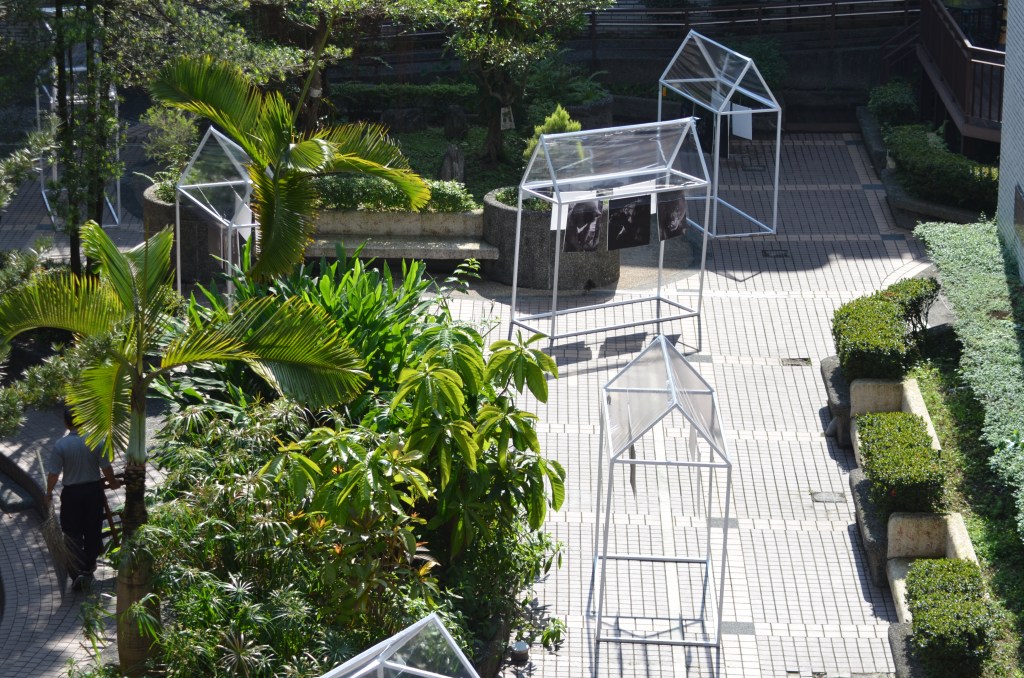
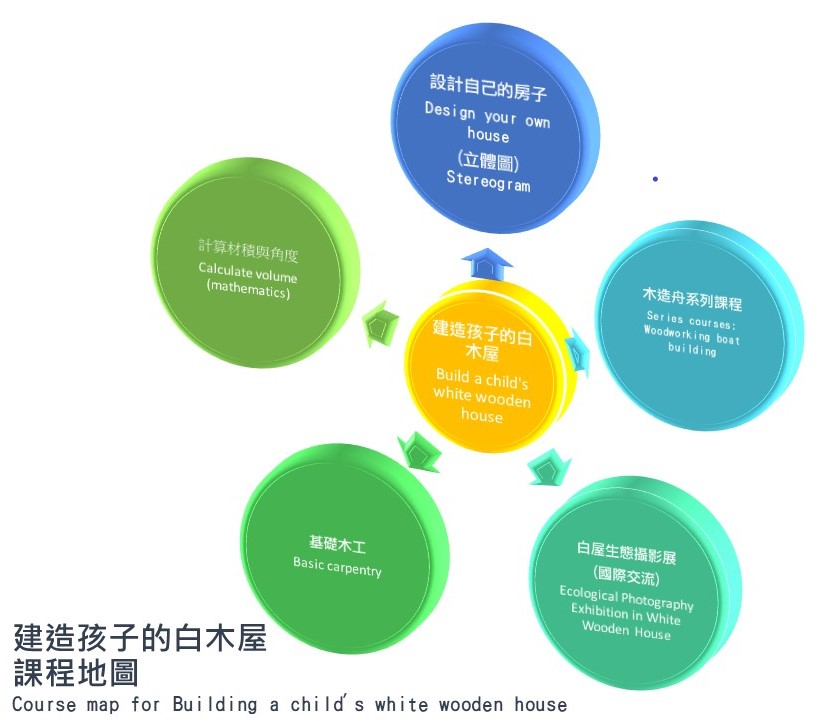
Build a child's white wooden house
孩子們回收剩餘木料並用來建造一間自己的木屋。
這課程也將是與國際交流的展示裝置。
讓孩子為生態保育而建造木屋的一堂課。

Children recycle leftover wood materials to construct their own wooden cabin.
This program also serves as an exhibition installation for international exchange.
Empowering children to build a wooden house for ecological conservation
這堂課在學生創作 「與家人(朋友)共同的房子-愛的小屋」之後
有了一個「共同空間」概念後,讓學生開始著手設計「可居住的空間」
可居住的空間讓學生思考「空間大小」與「活動空間」的概念。
這是一種憑空思考「體驗」!
學生將憑空思考將來會有何體驗與落實設計課程並做出實體。
After the students’ creation of “A House of Love – a shared space with family and friends," the concept of a “common space" was introduced, prompting students to start designing “livable spaces." The notion of “space size" and “activity areas" was contemplated in these livable spaces. It was a form of imaginative thinking and “experience"! Students engaged in imaginative thinking to envision future experiences and implemented their designs into physical forms through the design curriculum.
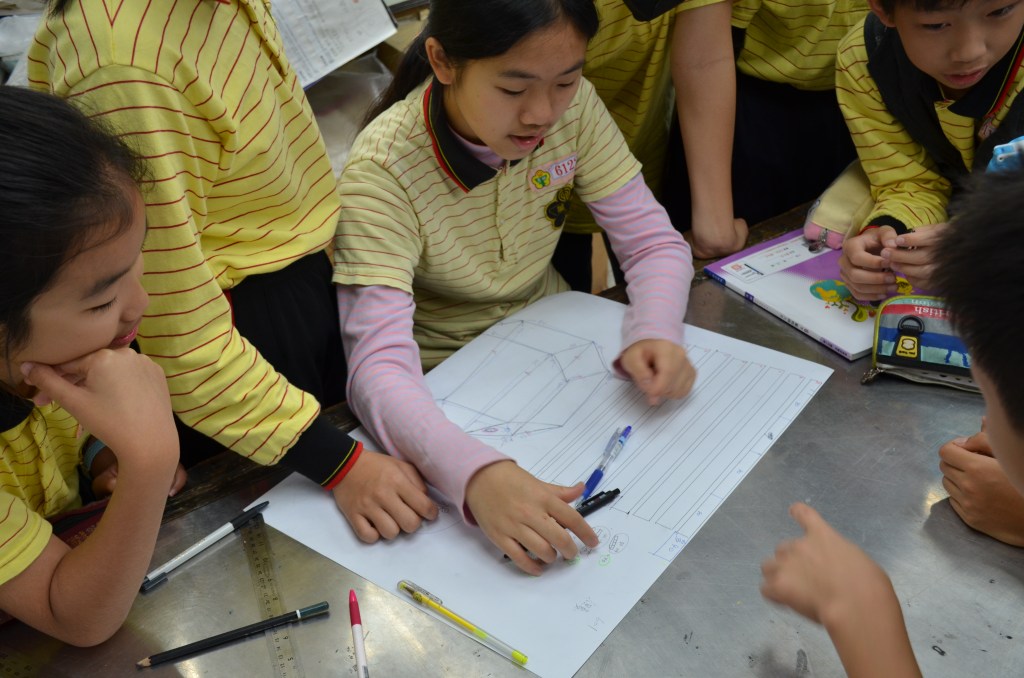
The students engaged in discussions about the size and form of livable spaces. They explored various possibilities and considerations, such as the number of occupants, functionality, aesthetics, and personal preferences. Through collaborative brainstorming and exchange of ideas, they delved into the dimensions and shapes that would best suit their envisioned livable spaces. This process encouraged critical thinking, creativity, and effective communication among the students as they worked together to design their ideal living spaces.
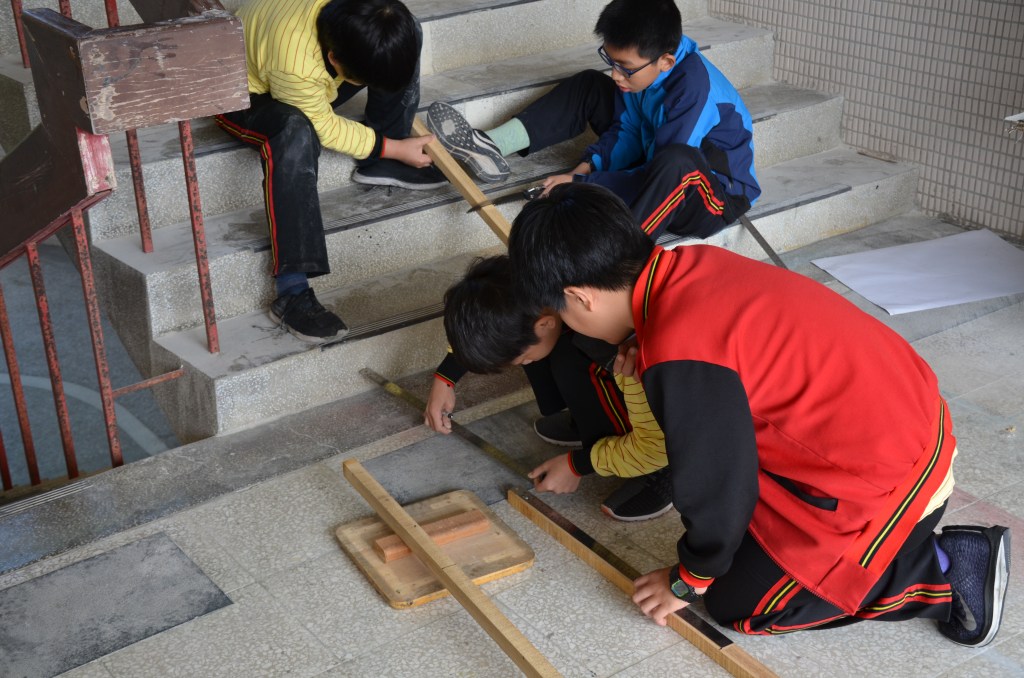
Indeed, applying mathematics to the calculations involved in the architectural theme can pose a certain level of difficulty for older students. However, it also provides them with a valuable opportunity to experience firsthand how mathematics can be applied in real-life contexts. By incorporating mathematical concepts such as measurements, geometry, proportions, and calculations related to space and materials, students can see the practical applications of mathematical skills in the design and construction process. This not only enhances their understanding of mathematical concepts but also highlights the relevance and usefulness of mathematics in their everyday lives.
我們敢讓學生在高年級進行這樣的課程,基礎在「木工基礎課程」於三年級就開始。學生對於電鑽、各式手鋸、帶鋸機、曲線鋸是非常熟悉的。
That's wonderful! Starting woodworking foundation courses in third grade allows students to become familiar with and proficient in using tools such as electric drills, various hand saws, band saws, and coping saws. This early cultivation of students' woodworking skills and tool familiarity lays a solid foundation for them to engage in more complex architectural projects in higher grades. This approach of nurturing students' woodworking skills and tool familiarity at an early stage not only improves their hand-eye coordination and creativity but also enhances their understanding and application of materials and tools. Through this learning process, students will have more confidence and be better equipped to apply their mathematical and woodworking skills to bring their design ideas to life in architectural projects during their higher grades.
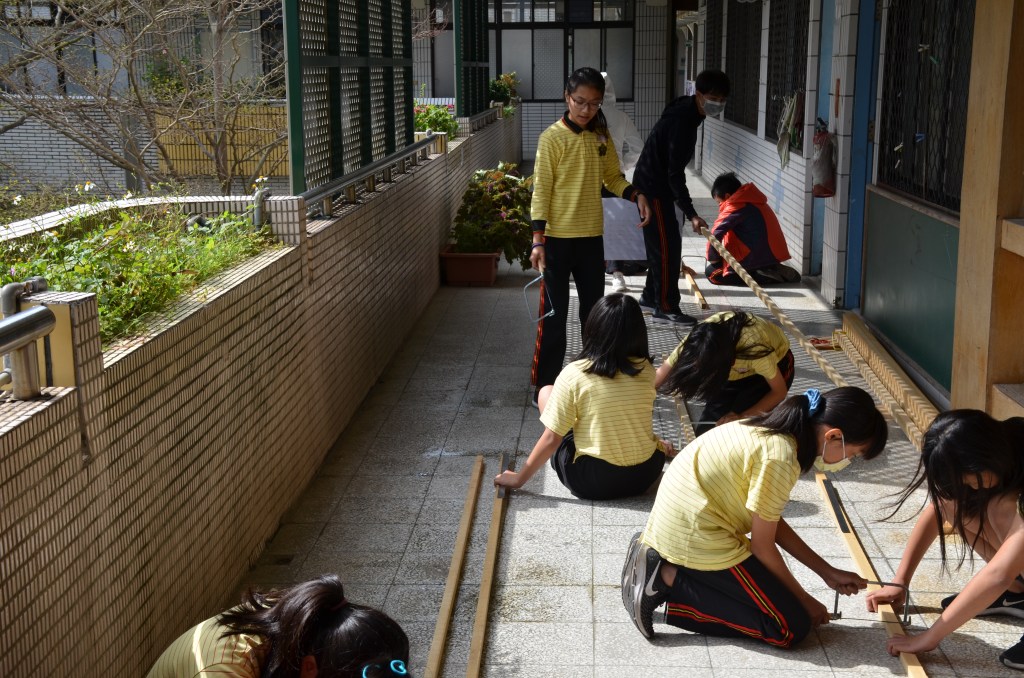
Students need to accurately calculate the required amount of wood, and during the calculation process, the teacher needs to provide guidance and support. The precise calculation of the roof angles is also crucial. By incorporating mathematical skills into the woodworking project, students not only develop their mathematical abilities but also learn the practical application of mathematical concepts in real-life scenarios. The teacher’s guidance and supervision ensure that students understand the importance of precise measurements and calculations in creating a structurally sound and aesthetically pleasing wooden structure. This hands-on experience not only enhances their mathematical skills but also fosters their attention to detail and problem-solving abilities.
我常在思考,如果沒有學校的老師跟行政們大力的支持,且能接受用兩、三年來進行這樣的一個課程,不求短期成效,學生的能力是沒有辦法真的被看到的!
I bring up an important point. Without the dedicated support of teachers and administrators within the school system, it would indeed be challenging to implement such a long-term project-based curriculum. It requires a commitment to providing students with the necessary resources, time, and guidance to explore and develop their skills over a period of two to three years. It is crucial to have educators who understand the value of a holistic and experiential approach to education, where the focus is not solely on short-term outcomes but on nurturing students’ abilities and growth over time. By allowing students the opportunity to engage in hands-on projects and pursue their interests, their true capabilities can be recognized and fostered. The sustained investment in their development ultimately pays off, as it empowers them to become lifelong learners and adaptable problem solvers.
我希望對於學生學習的成就感能有莫大的助益!可以感覺到學生課程後對於自己能力有非常大的信心!可以感覺到他們真的相信什麼事情用對方法,努力一定可以做得到!我認為這個對學生整個學習歷程是莫大的幫助,不論學習任何東西。
Providing students with such a curriculum experience and learning environment can indeed have a profound impact on their achievements. They can feel a tremendous sense of confidence, genuinely believing that with the right approach and effort, they can accomplish anything. I believe this is immensely helpful for their entire learning journey, regardless of the subject matter.
This kind of learning experience also fosters problem-solving skills and creativity within students. Through hands-on activities, they learn to think critically and seek solutions when faced with challenges, and this ability transcends into various domains. Whether it’s studying science, mathematics, language, or art, this style of learning provides them with a solid foundation and motivation to actively engage in their education.
Hence, granting students such learning opportunities and experiences indeed has a profound impact on their overall learning journey, not just in specific areas but also in their attitudes, motivation, and self-confidence. This positive influence will accompany them throughout their lives, making them lifelong learners who continuously strive for growth and development.
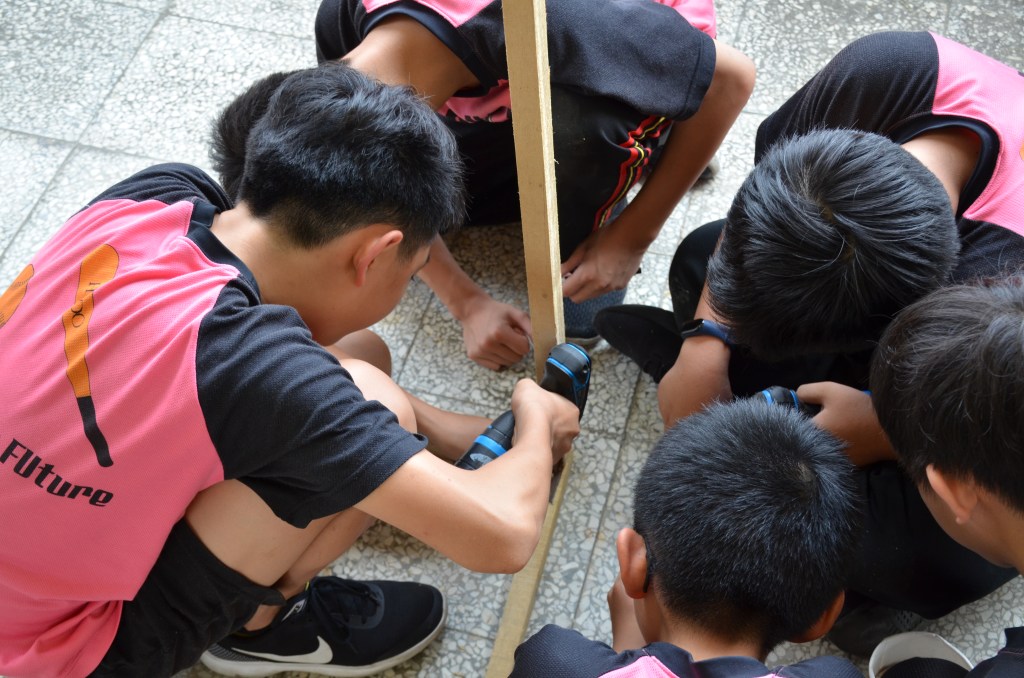
Absolutely, the foundational woodworking course plays a crucial role in ensuring students have a solid understanding of woodworking tools and techniques. Safety is of paramount importance, especially when students are not familiar with the tools involved. The emphasis on safety precautions and proper handling of equipment is essential to prevent accidents or injuries during the process.
This is far more than just an experiential course. It requires thorough instruction, guidance, and supervision from teachers to ensure that students develop the necessary skills and knowledge in woodworking. By providing a solid foundation in woodworking, students can confidently and safely engage in the construction process while minimizing risks.
Through this course, students not only acquire practical woodworking skills but also learn important life lessons about responsibility, attention to detail, and patience. They develop problem-solving abilities and enhance their fine motor skills. Moreover, the experience teaches them the value of precision and the satisfaction of creating something tangible with their own hands.
By establishing a strong foundation in woodworking and prioritizing safety, students are equipped with the skills and confidence needed to excel in their projects and pursue their creative aspirations. It is an immersive learning journey that instills discipline, craftsmanship, and an appreciation for the artistry of woodworking.
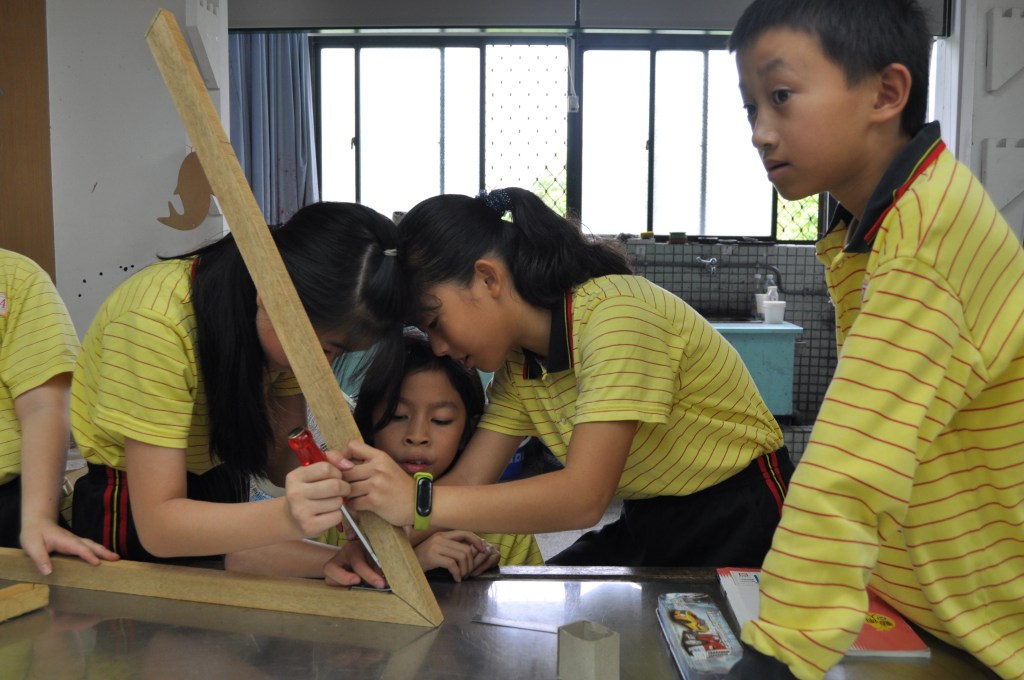
The 60-degree angle structure may not be too challenging in terms of its individual components, but connecting them together requires specific techniques and skills. Precise measurement, careful planning, and accurate execution are crucial for achieving a sturdy and aesthetically pleasing result.
When working with angles, students need to understand the principles of geometry and trigonometry to determine the correct measurements and angles for their joints. They must be proficient in using tools such as protractors and measuring tapes to ensure the accuracy of their cuts.
Additionally, joining the components requires mastering various woodworking techniques, such as miter cuts, dowel joints, or mortise and tenon joints, depending on the design and materials used. Students need to pay attention to the alignment and fit of the connecting pieces to ensure a secure and stable connection.
By navigating these technical challenges, students not only enhance their woodworking skills but also develop problem-solving abilities and attention to detail. They learn the importance of patience, precision, and perseverance as they work towards assembling the structure.
Ultimately, successfully connecting the components at a 60-degree angle demonstrates the students’ mastery of both the theoretical and practical aspects of woodworking. It showcases their ability to apply mathematical principles, use tools effectively, and execute complex joinery techniques.
印象很深刻的是,每一次進行到這個課程,學生還會主動運用休息時間來完成作品。我永遠記得那雀躍的表情下,還一直說:老師我們覺得我們好厲害,居然可以做出這個房子。
One of the most memorable aspects of this course is that every time we engage in it, students willingly utilize their break time to work on their projects. I will always remember the joyous expressions on their faces as they proudly exclaim, "Teacher, we feel so accomplished! We can't believe we've actually built this house."

Witnessing their enthusiasm and sense of achievement is truly remarkable. It's heartwarming to see how their confidence and self-belief grow throughout the process. They realize their own potential and develop a deep appreciation for their abilities to create something meaningful and tangible.

These moments serve as a testament to the power of hands-on learning experiences. By engaging in practical projects and seeing the results of their efforts, students not only gain valuable skills but also cultivate a strong sense of self-efficacy and pride in their accomplishments.

The excitement they express during those moments of realization is a testament to the transformative impact that this course has on their perception of themselves as capable learners. It is truly a gratifying experience as an educator to witness such genuine enthusiasm and self-assurance in our students.
是的!這個階段能帶著孩子做一件比孩子的身體還要大的物件或作品,是能讓他們在學習上有無比的動力!這是我最希望帶給孩子的部分。
Absolutely! Being able to guide children through the process of creating something larger than themselves, whether it's a physical object or an artwork, provides them with an unparalleled sense of motivation in their learning journey. It is precisely this aspect that I strive to bring to the children.

Empowering students to take on challenging projects and witness their own ability to bring something significant to life fosters a deep sense of ownership, pride, and accomplishment. It instills in them the belief that they are capable of tackling complex tasks and overcoming obstacles through their dedication and hard work.

By engaging in such endeavors, students not only acquire practical skills but also develop essential qualities such as resilience, problem-solving abilities, and the confidence to think creatively. These experiences have a profound impact on their overall learning and personal growth.

As an educator, there is nothing more rewarding than witnessing the immense motivation and enthusiasm that emerges when children realize their potential to create and achieve. It is my utmost desire to provide this opportunity for children—to empower them, fuel their passion for learning, and nurture their belief in their own capabilities.

It’s wonderful that students are encouraged to document the entire process of their creations for future presentations. Keeping a record of their journey allows them to reflect on their progress, challenges, and accomplishments. Moreover, it serves as a valuable resource for sharing their work with others and showcasing their learning experiences.
Recording the process can take various forms, such as written reflections, photographs, sketches, or even videos. Each student can choose the medium that best suits their preferences and effectively captures their efforts. This documentation not only helps them organize their thoughts but also enables them to communicate their ideas and insights to a wider audience.
Additionally, the act of documenting their work fosters a sense of pride and ownership in students. It encourages them to take responsibility for their learning and development, as they have tangible evidence of their growth and achievements. Furthermore, it allows them to revisit their projects in the future, providing an opportunity for reflection, self-improvement, and even inspiration for new endeavors.
By encouraging students to record and share their creative journey, educators empower them to become active participants in their own learning process. It not only strengthens their communication skills but also encourages them to take pride in their work and inspires them to continue exploring new possibilities.
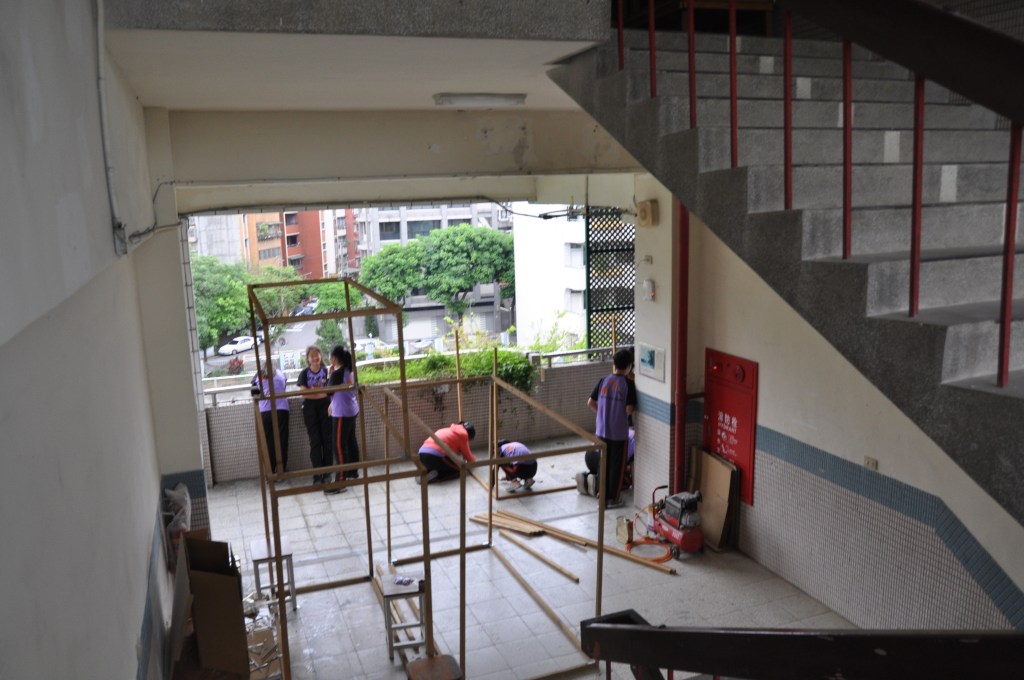
Indeed, during the construction process, students may encounter challenges and get stuck when it comes to the structure and support of their projects. This is where the guidance and assistance of the teacher are crucial. Teachers can provide valuable support by offering explanations, demonstrations, and hands-on assistance to help students overcome these obstacles.
When students face difficulties in understanding the structural aspects or determining the appropriate support for their creations, the teacher can step in and provide explanations or demonstrations to clarify concepts. They can break down complex ideas into simpler steps, allowing students to grasp the fundamental principles and make informed decisions about their project’s structure.
Furthermore, the teacher can offer hands-on assistance by working closely with individual students or small groups. By providing guidance, suggestions, and constructive feedback, the teacher helps students troubleshoot issues, explore alternative solutions, and make adjustments to their designs as needed.
The teacher’s role is not to solve every problem for the students but to facilitate their problem-solving process and foster independent thinking. By offering guidance and support when necessary, the teacher helps students develop critical thinking skills and build confidence in tackling challenges.
It’s important for teachers to create a supportive and collaborative learning environment where students feel comfortable asking for help and seeking guidance when they encounter difficulties. This way, students can learn to navigate challenges, develop resilience, and gain a deeper understanding of the structural and support aspects involved in their projects.
Through the teacher’s assistance and guidance, students can overcome obstacles, gain a better understanding of the structural principles, and ultimately achieve a sense of accomplishment in successfully completing their projects.
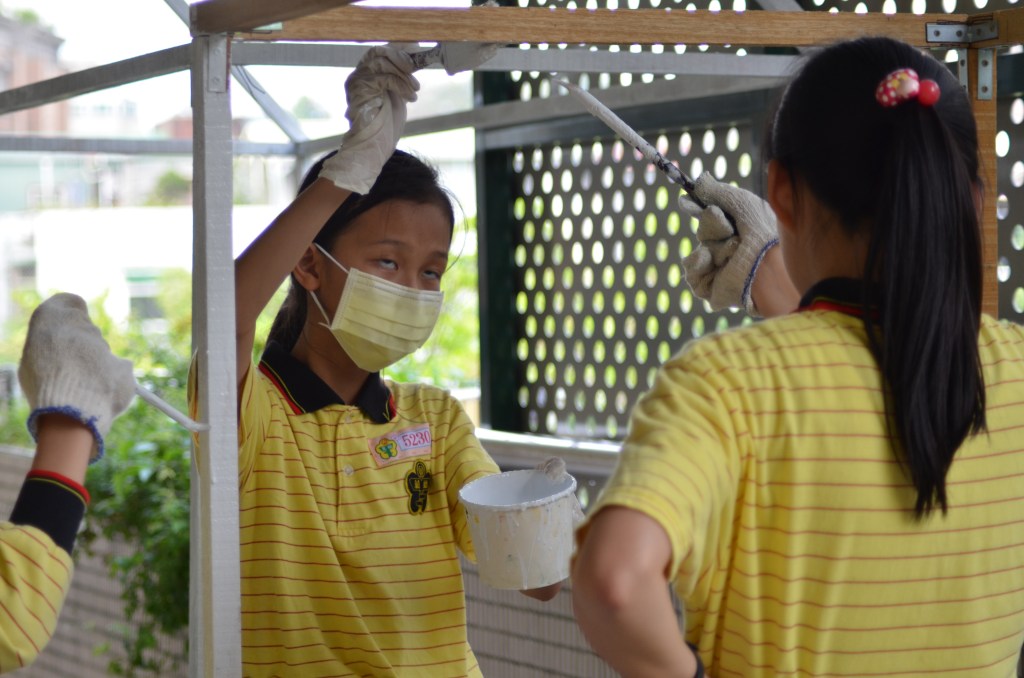
Painting can indeed be a fun and engaging part of the process! Using water-based cement paint is a great choice as it helps address concerns about strong odors and provides a safer and more environmentally friendly option for students.
Water-based cement paint offers several advantages. Firstly, it has a lower level of volatile organic compounds (VOCs), which means it emits fewer harmful chemicals into the air compared to traditional solvent-based paints. This makes it a healthier option for both the students and the environment.
Additionally, water-based cement paint is easy to use and clean up. It can be applied with brushes, rollers, or sprayers, allowing students to explore different techniques and express their creativity. Cleaning the tools and surfaces is also relatively simple, as water can be used for rinsing instead of harsh chemicals.
Using water-based cement paint not only provides a safer and more pleasant experience in terms of odors but also allows students to learn about the characteristics and properties of different types of paint. They can explore color mixing, shading, and other painting techniques while gaining an understanding of how materials and textures can enhance the visual appeal of their projects.
Overall, using water-based cement paint is a thoughtful and responsible choice that ensures a more enjoyable and environmentally conscious painting experience for students, while still allowing them to unleash their creativity and add a finishing touch to their projects.
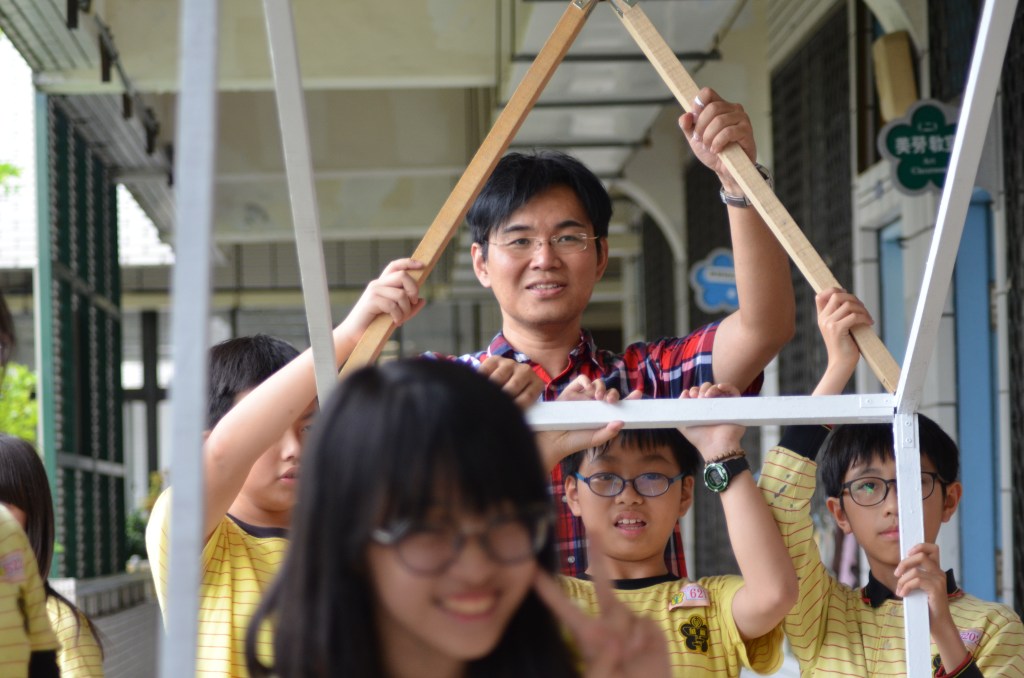
Indeed, designing the curriculum in a way that helps students bridge the gap between knowledge and application is crucial. The aim is to create a learning experience that not only imparts knowledge but also ignites a sense of joy and fulfillment through practical utilization.
By incorporating hands-on activities, real-world projects, and opportunities for creative expression, the curriculum can provide students with meaningful and relevant learning experiences. When students can see the practical applications of what they are learning, it becomes a catalyst for their motivation and engagement.
The design of the curriculum should aim to create peak experiences for students, where they are challenged, inspired, and able to showcase their skills and knowledge. These peak experiences serve as powerful motivators and can have a lasting impact on students’ enthusiasm for learning.
Additionally, the curriculum design should consider the individual needs and interests of students, allowing for personalized learning experiences. When students feel a sense of ownership and relevance in their learning journey, they are more likely to be intrinsically motivated to explore and deepen their understanding.
While these elements may not be visible on the surface, they form an essential foundation for a successful curriculum. By creating a bridge that connects knowledge with real-world application and fosters a sense of joy and motivation, the curriculum can inspire students to become lifelong learners, continuously seeking knowledge and embracing new challenges.
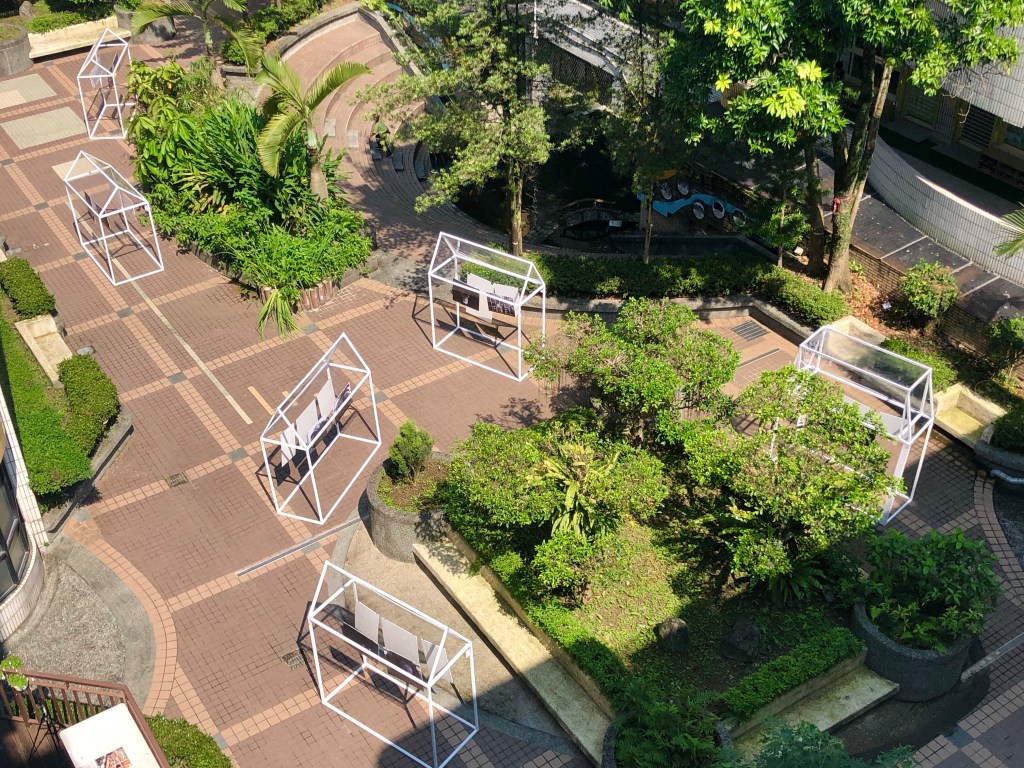
The school campus is adorned with scattered student-made small houses! During break time, classmates play and have fun among these little houses. It’s truly amazing! These spaces truly belong to the students’ creations!
This environment not only provides a place for students to freely express themselves but also serves as a platform for creativity, communication, and interaction. In these small houses, students can bring their imagination to life, showcase their talents, and collectively create wonderful memories with their peers.
These small houses symbolize the students’ learning achievements and accomplishments. Behind each house lies the hard work and creativity of the students. This type of autonomous and proactive learning experience not only enhances their skills and abilities but also nurtures their confidence and sense of responsibility.
The presence of these small houses creates a vibrant and joyful atmosphere on campus. Students can fully express themselves and enjoy the pleasure of learning in this dedicated creative space. It is not only a validation of the children but also an opportunity to create a learning environment filled with laughter and growth.
Let’s appreciate these student-made small houses scattered around the campus and feel the creativity and enthusiasm of the children! It is truly a surprising and wonderful sight!
下一步 Next Step
好了!完成後,除了開心分享小朋友的 小屋,接著期待下一步,與其他國家藝術家共創。
跨國際黑熊生態攝影展將會進駐小屋!來自不同國家的藝術家作品將說出感人的故事,關於住在收容中心這些黑熊的故事,而白屋子將代表孩子希望爲這些黑熊做的事!相信這些遠道而來的藝術家,看到孩子為他們的作品打造的屋子,也能感受孩子充滿愛的行動力。
After the completion of the student-made small houses, the next step is to look forward to collaborating with artists from other countries. The international black bear ecology photography exhibition will be hosted in these small houses! Artists from different countries will showcase their works, sharing heartfelt stories about the bears living in sanctuaries. The white houses will represent the children's hopes and aspirations for these bears. We believe that these artists who have traveled from afar will be touched by the houses created by the children, showcasing their love and compassion.

This collaborative exhibition serves as a powerful platform to raise awareness about the plight of black bears and the importance of wildlife conservation. It also demonstrates the students' commitment to making a difference in the world through their creativity and actions. The exhibition will not only showcase the artistic talents of these young individuals but also inspire visitors to reflect on their own roles in protecting the environment and caring for all living creatures.

Through this cross-cultural collaboration, the children will have the opportunity to learn from and connect with artists from different backgrounds. It is a chance for cultural exchange and a celebration of the universal language of art and compassion. The small houses, filled with the spirit of love and hope, will serve as a meaningful backdrop for the exhibition, creating a powerful and inspiring experience for all who visit.

Let us anticipate the arrival of these international artists and witness the transformative power of art and the heartfelt actions of children in making a difference in the lives of black bears.
 雨潤 禾熟The rain falls and the rice is ripe