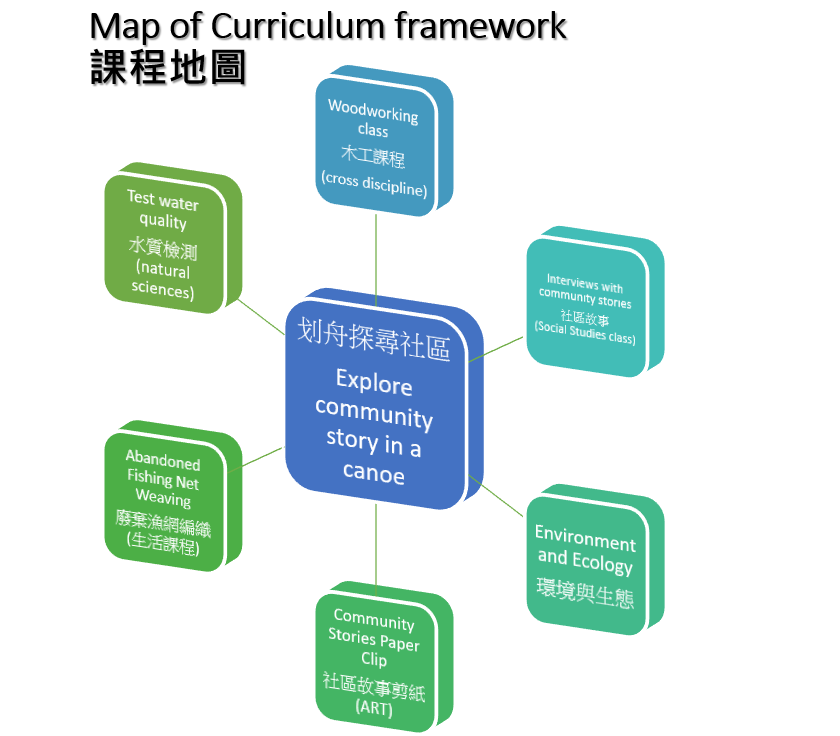
Way of thinking
【課程】Work together to build a canoe with stories 合力造一艘故事舟
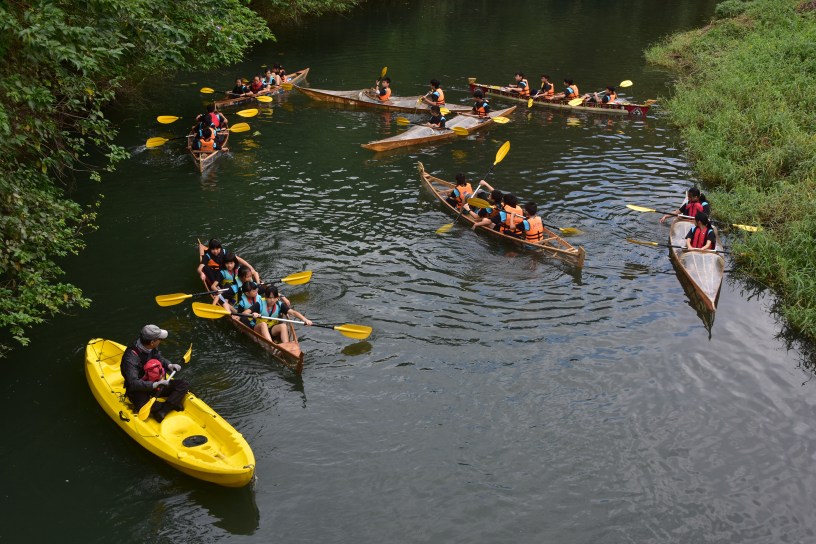
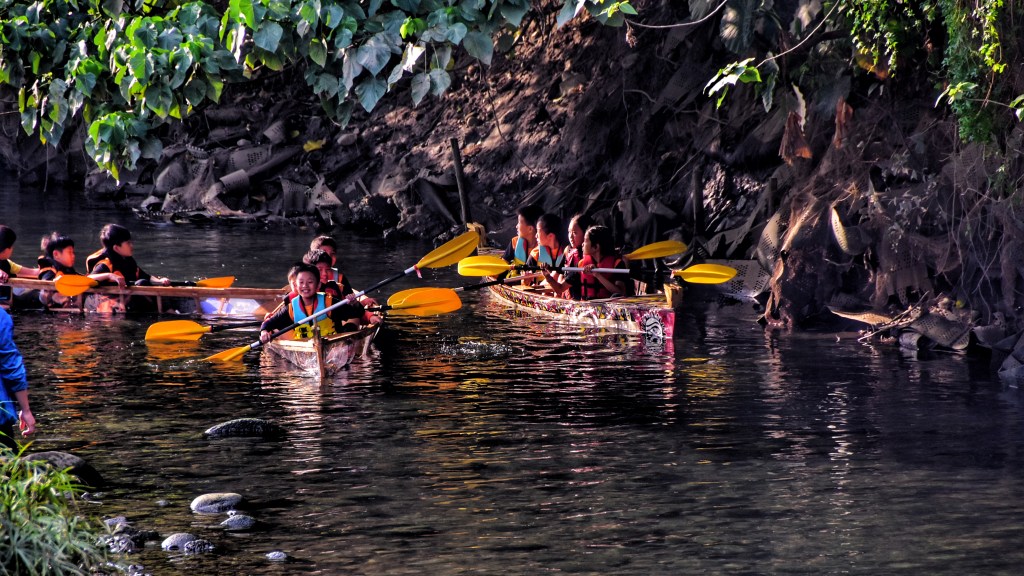
【課程】Paddle across the river under the shade of green trees 綠蔭划舟萬盛桃花源
在小學的創客課程,我一直認為須有人文的精神為課程底蘊。所以為什們做這個課程?這個課程還能幫助孩子甚麼樣的學習?這個課程裡還有傳達哪些價值?也一直是自我省思的問題。
In primary school maker courses, incorporating a humanistic spirit is crucial. The purpose of this course is to allow children to explore their memories, connect with their family and personal emotions, and develop their creativity and expressive abilities.
It helps children learn various skills and knowledge. Firstly, they will learn how to listen, cultivating their perception and emotional expression. Additionally, they will develop their creativity and imagination by using art to express their memories and emotions with their families.
Reflecting on these questions is vital as it ensures that the course content and objectives align with our values and educational goals. Through continuous self-reflection and evaluation, we can improve and enhance our teaching methods to better serve children’s learning and growth.
在水面上看陸地給孩子一個全新的視野
Providing children with a whole new perspective by viewing the land from the water's surface.
  我們一直在陸地上生活總是由陸地上看水面,如果可以在水上看陸地會是怎樣?划著小朋友自己造的舟,航行在社區的河川上會是怎樣的感覺?大沐老師造舟裡的生命教育課程在我們的創客課程中讓孩子有深層的體驗,是不是還能讓大人們有一份對環境的感動?滑過水面,與水的距離這麼近,讓學習緊緊抓住別放手。
  學生在河上悠遊可是要動員不少資源,希望這些細密的結構課程學習規劃能對學生有更大的幫助,而非僅止於體驗。
By allowing children to view the land from the water, we offer them a completely different perspective. Imagine the feeling of navigating the community's rivers on a boat they have created themselves. The Life Education curriculum integrated into our maker education program, with boat building by Teacher Da Mu, provides children with profound experiences. But can it also evoke a sense of awe and appreciation for the environment in adults? Gliding across the water's surface, being so close to the water, makes learning an experience that students hold onto tightly.

Indeed, facilitating student exploration on the river requires substantial resources. We hope that the careful planning and structuring of these curriculum activities will provide students with more significant benefits, extending beyond mere experiential learning.
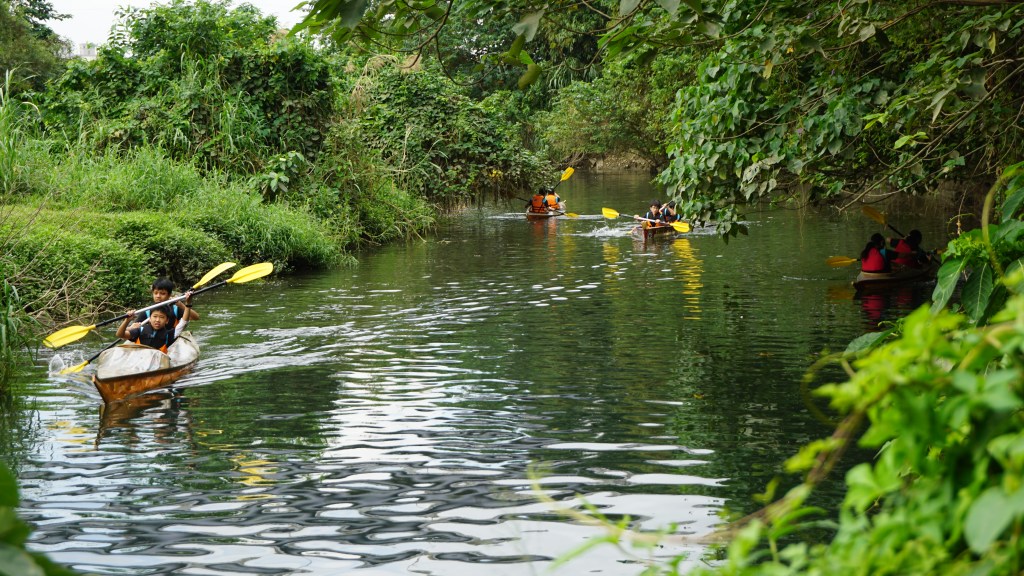
River boating through the community provides students with a fresh perspective on their surroundings. It offers them a unique vantage point to observe and appreciate the environment in a different way. By gliding along the flowing river, students can witness the beauty of their community from a new angle and gain a deeper understanding of the water’s role in shaping the landscape.
This immersive experience allows students to see familiar places from a different perspective, fostering a sense of exploration, curiosity, and connection to their local environment. They may notice details and features that they wouldn’t have otherwise observed from land. This type of activity promotes environmental awareness and encourages students to develop a greater appreciation for the natural world around them.
By venturing out on the river in their handmade boats, students also learn important skills such as teamwork, navigation, and water safety. It provides an opportunity for them to apply their knowledge of physics and engineering principles to create functional and efficient boats. Overall, river boating in the community offers students a unique and valuable perspective that enhances their learning and connection to the environment.
為學習而做的創客
Learning by Making in the Maker Movement
  琳瑯滿目的教育新名詞,讓學生學習更多元之後會不會讓學習過於零碎。因為學習到認知是需要一些過程,我們無法確定這些新名詞產生的課程對學生的學習是否有幫助下,放進課程中會不會因為沒有結構化的課程,對學生學習造成干擾,讓學習過於零碎。所以在學生學習為主的思考下,為這些課程導入之前為它們找到位置。而我就由Maker的精神思索,讓Maker不是為了創客而創客。讓學生為了學習而動手做一個工具,拿著這個工具來學習更多的事物。從中讓學生也能體會自造的精神與自造之於人類文明的角色。

The plethora of new educational terms can indeed make learning feel fragmented. It is important to recognize that learning is a gradual process, and simply relying on new terms and concepts may not be sufficient. Therefore, before integrating these courses, we need to find their rightful place and prioritize learning.

Taking inspiration from the Maker spirit, our goal is not just to create for the sake of creating. We want students to engage in hands-on activities, crafting tools that serve as gateways to acquiring a broader range of knowledge. This approach allows students to experience the essence of self-creation and understand its significance and role in human civilization.

It is crucial to ensure that these courses are well-structured and thoughtfully planned, so that students' learning remains cohesive and undisturbed. This may involve integrating and interconnecting the curriculum, establishing continuity and depth in learning. Through thoughtful consideration and careful deliberation, we can strike a balance and ensure that Maker education becomes a powerful tool for learning, rather than a source of fragmentation
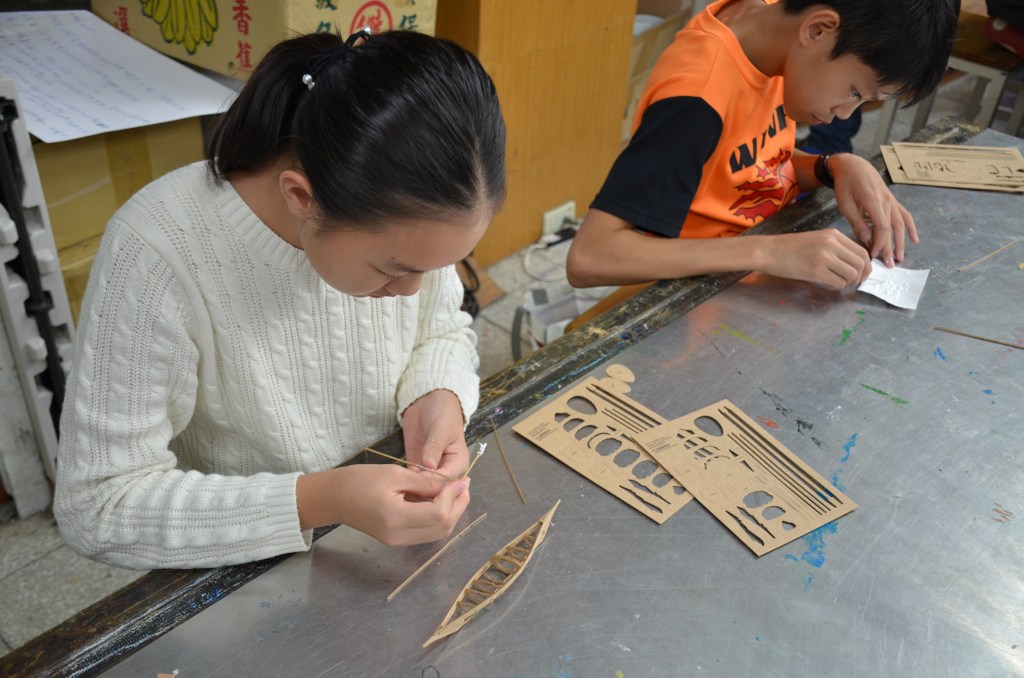
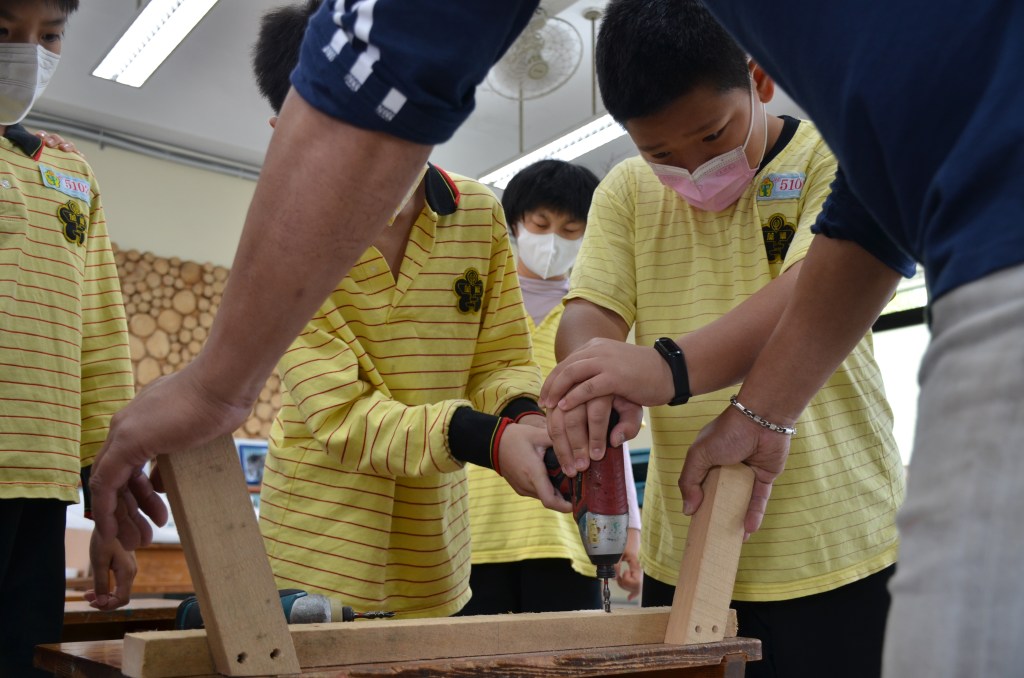
孩子的木工課 Child's woodwork class
  創客導入到藝美領域時屏除目前坊間所有創客課程。而由創客精神出發,希望由精神找到學習的<線頭>。我們當時討論過有幾個不同主題希望作為一個結構。當時的想法放在木工、縫紉及烹飪,來自於杜威的想法。而要跨領域整合的確這樣的主題統整為方向確對孩子來說,最好學習也最容易觸類旁通,因為就是生活中常會用到的。而創客的結果為孩子帶來無比的成就感,也是令人意象不到的。且創客成了跨領域的連結結構,對於<整合各科內容>到<應用>創客如此角色定位,才能是打通學習任督二脈的大力丸。
  木工由建造孩子自己的木工教室開始逐步讓孩子由木工教室外觀、工作桌到桌燈再延伸到造自己的小木屋,2020年更為了探訪社區的河流用接力方式造自己的社區故事舟。

When introducing the Maker spirit into the realm of arts and aesthetics, we intentionally exclude existing mainstream Maker courses. Instead, we focus on nurturing the Maker spirit itself and aim to find the "thread" of learning. During our discussions, we explored several different themes that could serve as a structured framework. Inspired by Dewey's ideas, we considered woodworking, sewing, and cooking. These themes were chosen because they are practical and applicable in everyday life, making it easier for children to relate and apply their learning across disciplines.

The outcomes of Maker projects bring immense satisfaction and unexpected results for children. Additionally, Maker education acts as a bridge between different fields, facilitating the integration of various subjects and their practical application. By positioning Maker education as a means to integrate and apply knowledge, we provide children with a powerful tool to enhance their learning experience.

We started with woodworking, where children construct their own woodworking workshops. From designing the appearance of the workshop to crafting work desks and even creating table lamps, the journey gradually extends to building their own small wooden houses. In 2020, we took it a step further by engaging in a community storytelling project, where children collaboratively built their own community story boats, in an effort to explore the local rivers and connect with the community.

Through these creative endeavors, children not only develop practical skills but also cultivate their creativity, problem-solving abilities, and a sense of accomplishment. It is through the integration of these diverse experiences that we provide children with a holistic and fulfilling learning journey.
社區故事剪紙
    社區故事在學生透過採訪社區長者後,學生學習如何將故事output?以何方式呈現?我們設計了 1.Story Box故事箱 2.社區小旅行 3.社區故事剪紙 4.社區故事繪本。
社區故事經轉化成為不同的作品。社區故事繪本也作為社區故事剪紙的延伸課程。
剪紙課程是個不錯的方向,我們讓孩子跟社區長者一起剪紙,有了之前採訪長者的經驗,孩子也可以跟長者互動。剪紙還有一個好處,可以以各種不同媒材呈現,孩子作品也比較好應用。


Community Story Paper Cutting

In our community storytelling program, after students interview elderly community members, they learn how to present the stories and decide on the output format. We have designed four different approaches: 1. Story Box, 2. Community Field Trip, 3. Community Story Paper Cutting, and 4. Community Story Picture Book.

Community stories are transformed into various creative works. The Community Story Picture Book serves as an extension of the Community Story Paper Cutting course. Paper cutting is an excellent direction to explore, as it allows children to engage in paper cutting activities alongside community elders. With their prior experience of interviewing the elders, children can also interact with them during the paper cutting process. Paper cutting has the advantage of being adaptable to different media, and children's artworks can be easily applied in various ways.

By integrating paper cutting into the curriculum, children not only develop their artistic skills but also strengthen their connection with the community and gain a deeper understanding of its stories and traditions. Furthermore, paper cutting serves as a versatile medium for storytelling, enabling children to express their creativity and share the community's narratives in a visually appealing and accessible manner.
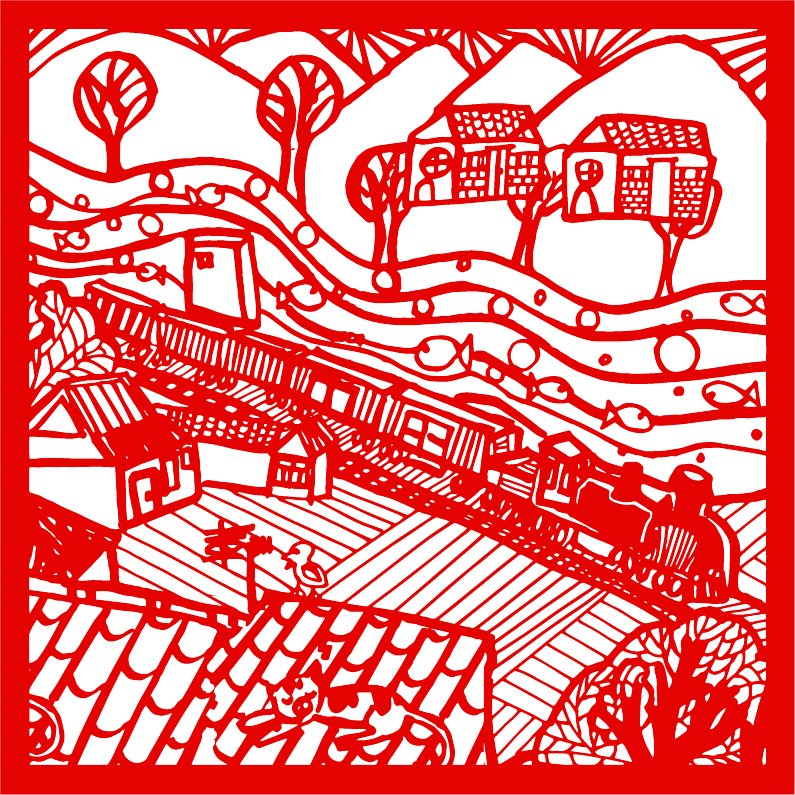
This paper cutting artwork tells the story of the Wanxing Railway. The flowing stream next to it represents the Wansheng Creek. In the year 1960, trains used to pass over a railway bridge across the Wansheng Creek as they made their way to Xindian.
 雨潤 禾熟The rain falls and the rice is ripe